© UncutMed — Medical knowledge precise, truthful, unfiltered. This article was last reviewed on August 27, 2026. Always consult your healthcare provider for personal medical advice.
⚕️ Medical Disclaimer: This article is for informational and educational purposes only. It does not constitute medical advice, diagnosis, or treatment. Always consult a qualified healthcare professional regarding any medical condition or treatment plan.
Hypertension – Medical Definition
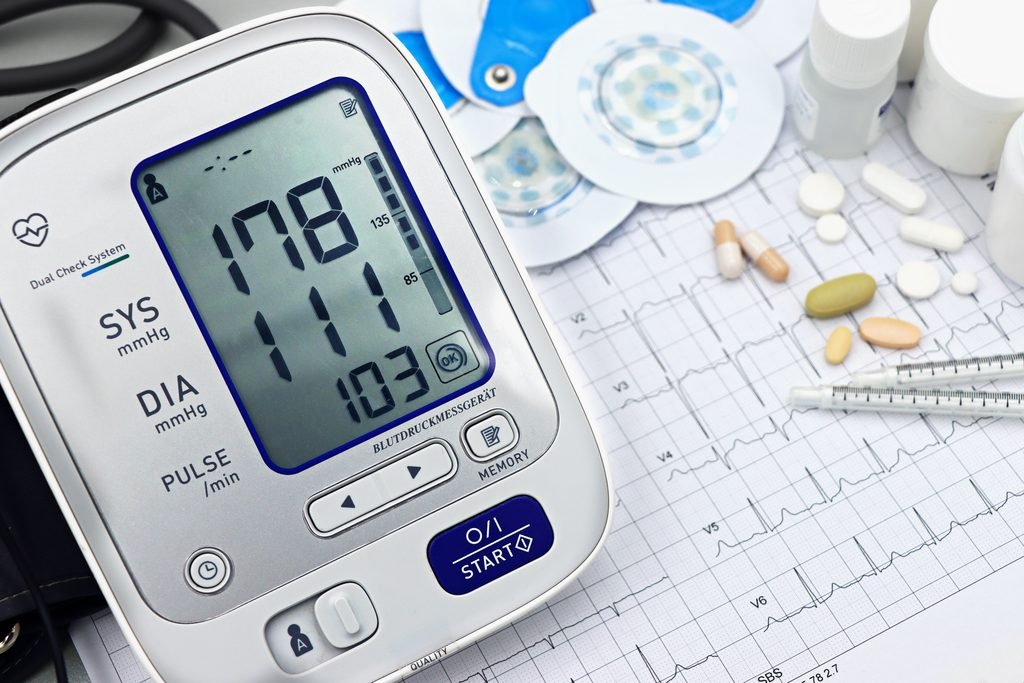
Blood pressure is the force exerted by circulating blood against the walls of the arteries as the heart pumps it around the body. It is expressed as two numbers — systolic pressure and diastolic pressure — measured in millimetres of mercury (mmHg). Systolic pressure represents the pressure in the arteries when the heart contracts and ejects blood. Diastolic pressure represents the pressure when the heart relaxes between beats and the arterial walls recoil.
Hypertension — commonly known as high blood pressure — is defined by the European Society of Cardiology (ESC) and the European Society of Hypertension (ESH) as a sustained resting office blood pressure of 140 mmHg or above systolic and/or 90 mmHg or above diastolic, measured on at least two separate occasions. The American College of Cardiology (ACC) and American Heart Association (AHA) apply a lower threshold — defining hypertension as a sustained blood pressure of 130 mmHg/ 80 mmHg or above — reflecting accumulating evidence that cardiovascular risk begins to rise at levels previously considered normal.
The word “sustained” is critical in this definition. A single elevated blood pressure reading is insufficient to diagnose hypertension — blood pressure fluctuates naturally throughout the day in response to physical activity, temperature, stress, food intake (such as salt and coffee), and posture. Diagnosis requires consistently elevated readings across multiple measurements and ideally across multiple clinical encounters, while avoiding measuring blood pressure when parameters that cause false values are present (such as coffee, physical activity, smoking).
Hypertension is not merely a number on a machine — it is a chronic haemodynamic state in which the arterial walls are subjected to persistently elevated mechanical stress. Over years and decades this continuous pressure damages the endothelium (the inner lining of the arteries), accelerates atherosclerosis (a condition where fat, cholesterol, and other substances build up in the walls of the arteries), strains the heart, kidneys, brain, and eyes, and ultimately drives the development of some of the most serious and life-threatening conditions in medicine — heart attack, stroke, heart failure, kidney failure, and dementia.
Hypertension affects approximately 1.3 billion people worldwide — making it the single most common chronic medical condition on the planet and the leading modifiable risk factor for premature death globally. Despite being easily detectable with a simple cuff measurement, it is estimated that nearly half of all people with hypertension are unaware they have it — earning it the well-deserved title of “the silent killer.”
Classification and Stages of Hypertension
Hypertension is not a single uniform condition — it exists across a spectrum of severity. Current ESC/ESH guidelines classify blood pressure into the following categories:
Normal Blood Pressure
Systolic: 120–129 mmHg and/or Diastolic: 80–84 mmHg
Blood pressure within this range is associated with low cardiovascular risk. No pharmacological intervention is required, though healthy lifestyle habits should be maintained to prevent progression.
High Normal Blood Pressure
Systolic: 130–139 mmHg and/or Diastolic: 85–89 mmHg
This category — sometimes called prehypertension in older classifications — sits at the upper boundary of normal. While not yet meeting the threshold for a hypertension diagnosis, individuals in this range carry an elevated lifetime risk of developing hypertension and cardiovascular disease. Lifestyle modification is recommended. The ACC/AHA guidelines classify this range as Stage 1 Hypertension, reflecting their lower diagnostic threshold.
Grade 1 Hypertension
Systolic: 140–159 mmHg and/or Diastolic: 90–99 mmHg
Mild hypertension. At this grade, treatment decisions are guided by the patient’s overall cardiovascular risk profile rather than blood pressure alone. Lifestyle modification is the first-line approach, with pharmacological therapy added if blood pressure targets are not achieved within 3 to 6 months or if overall cardiovascular risk is high.
Grade 2 Hypertension
Systolic: 160–179 mmHg and/or Diastolic: 100–109 mmHg
Moderate hypertension. At this grade, pharmacological therapy is typically initiated alongside lifestyle modification regardless of overall cardiovascular risk profile, as the blood pressure elevation itself confers significant organ risk.
Grade 3 Hypertension
Systolic: 180 mmHg or above and/or Diastolic: 110 mmHg or above
Severe hypertension. Prompt pharmacological treatment is mandatory. At these levels, the risk of acute hypertensive emergencies — including hypertensive encephalopathy, aortic dissection, and acute pulmonary oedema — is substantially elevated.
Isolated Systolic Hypertension
Systolic: 140 mmHg or above with Diastolic below 90 mmHg
A distinct pattern of hypertension, common in elderly patients, reflecting age-related stiffening of the large arteries (reduced aortic compliance). As the aorta loses its elastic buffering capacity, systolic pressure rises disproportionately while diastolic pressure may remain normal or even fall. Isolated systolic hypertension carries significant cardiovascular risk and requires treatment.
Hypertensive Urgency vs Hypertensive Emergency
Two acute presentations of severely elevated blood pressure warrant special mention:
Hypertensive Urgency: Severely elevated blood pressure — typically above 180 mmHg (Systolic)/120 mmHg (Diastolic) — without evidence of acute target organ damage. Requires prompt blood pressure lowering over hours to days, usually with oral medication, but does not require intensive care admission.
Hypertensive Emergency: Severely elevated blood pressure with evidence of acute, life-threatening target organ damage — hypertensive encephalopathy, acute myocardial infarction, aortic dissection, acute pulmonary oedema, or acute kidney injury. This is a medical emergency requiring immediate hospital admission and intravenous antihypertensive therapy with carefully controlled blood pressure reduction to avoid precipitous falls that could cause organ ischaemia.
Causes of Hypertension
Hypertension is classified into two fundamental categories based on its underlying cause:
Primary (Essential) Hypertension
Primary hypertension accounts for 90–95% of all hypertension cases and has no single identifiable cause. It is a multifactorial condition arising from a complex interaction of genetic predisposition, environmental factors, and physiological dysregulation across several interacting systems:
- Sympathetic Nervous System Overactivation: Chronically elevated sympathetic nervous system activity increases heart rate, enhances cardiac contractility, and causes arterial vasoconstriction — all of which raise blood pressure. Chronic psychological stress, obesity, and sleep apnoea are major drivers of sympathetic overactivation in primary hypertension.
- Renin-Angiotensin-Aldosterone System (RAAS) Dysregulation: The RAAS is the body’s primary hormonal system for regulating blood pressure and fluid balance. In primary hypertension, inappropriate activation of this system through excess renin secretion or exaggerated angiotensin II activity causes vasoconstriction and sodium retention, raising blood pressure. Dysregulation of the RAAS is a central therapeutic target in hypertension management, explaining the effectiveness of ACE inhibitors, ARBs, and aldosterone antagonists.
- Renal Sodium Handling Abnormalities: The kidneys play a crucial role in long-term blood pressure regulation through their control of sodium and water balance. In many patients with primary hypertension, the kidneys require a higher-than-normal blood pressure to excrete the same amount of sodium — a phenomenon called the pressure-natriuresis relationship shift. This means the kidneys essentially “defend” a higher blood pressure set point, perpetuating hypertension. Excess dietary sodium exacerbates this by increasing the sodium load the kidneys must handle.
- Endothelial Dysfunction: The endothelium — the inner lining of blood vessels — normally produces nitric oxide, a potent vasodilator that keeps arteries relaxed and flexible. In hypertension, endothelial dysfunction reduces nitric oxide bioavailability, impairing vasodilation and increasing vascular resistance. Endothelial dysfunction is both a cause and consequence of hypertension, creating a self-perpetuating cycle.
- Arterial Stiffness: Normally, the large arteries — particularly the aorta — act as elastic buffers, absorbing the pulsatile energy of cardiac ejection and smoothing blood flow to the periphery. With age, chronic hypertension, and metabolic disease, the arterial walls become progressively stiffer through collagen deposition and elastin degradation. Stiffer arteries cannot buffer pulsatile flow effectively, amplifying systolic pressure and reducing diastolic pressure — worsening hypertension and increasing cardiac workload.
- Genetic Factors: Hypertension has a strong hereditary component — the lifetime risk of hypertension is approximately doubled in individuals with a first-degree relative affected. Multiple genes regulating sodium transport, RAAS activity, sympathetic tone, and vascular function contribute to genetic susceptibility, though no single gene is responsible for most cases of primary hypertension.
Secondary Hypertension
Secondary hypertension accounts for 5–10% of all cases and results from an identifiable underlying condition that raises blood pressure. Identifying secondary causes is critical because treating the underlying condition can potentially cure the hypertension — unlike primary hypertension, which is managed rather than cured. Secondary hypertension should be suspected in young patients, those with resistant hypertension despite multiple medications, and those with clinical features suggesting a specific underlying condition:
- Renal Parenchymal Disease: The most common cause of secondary hypertension. Chronic kidney disease of any cause — diabetic nephropathy, glomerulonephritis, polycystic kidney disease — impairs the kidney’s ability to regulate sodium excretion and activates the RAAS, raising blood pressure. Simultaneously, hypertension itself damages the kidneys, creating a vicious cardiorenal cycle.
- Renovascular Hypertension — Renal Artery Stenosis: Narrowing of one or both renal arteries — most commonly from atherosclerosis in older patients or fibromuscular dysplasia in younger women — reduces blood flow to the kidney. The ischaemic kidney interprets reduced perfusion as low blood pressure and responds by maximally activating the RAAS, raising systemic blood pressure in an attempt to restore renal perfusion. The result is severe, often drug-resistant hypertension.
- Primary Hyperaldosteronism (Conn’s Syndrome): Excess production of aldosterone — either from an adrenal adenoma (Conn’s syndrome) or bilateral adrenal hyperplasia — causes inappropriate renal sodium retention and potassium wasting, raising blood pressure. It is the most common endocrine cause of secondary hypertension and is frequently underdiagnosed. It should be suspected in patients with hypokalaemia, severe or resistant hypertension, or incidental adrenal masses.
- Phaeochromocytoma: A rare catecholamine-secreting tumour of the adrenal medulla (or occasionally extra-adrenal chromaffin tissue). Episodic release of adrenaline and noradrenaline causes paroxysmal hypertension — sudden dramatic spikes in blood pressure accompanied by headache, sweating, palpitations, and pallor — superimposed on a background of sustained hypertension. Phaeochromocytoma is rare but potentially lethal if unrecognised and must be excluded in patients with paroxysmal hypertensive episodes.
- Cushing’s Syndrome: Chronic excess of cortisol — from exogenous steroid use or endogenous overproduction — causes hypertension through multiple mechanisms: mineralocorticoid-like sodium retention, increased angiotensinogen production, and enhanced vascular sensitivity to catecholamines.
- Hypothyroidism and Hyperthyroidism: Thyroid dysfunction affects blood pressure through opposite mechanisms. Hypothyroidism causes diastolic hypertension through increased peripheral vascular resistance. Hyperthyroidism causes predominantly systolic hypertension through increased cardiac output and heart rate. Both are reversible with appropriate thyroid treatment.
- Obstructive Sleep Apnoea (OSA): Repeated episodes of nocturnal hypoxia and hypercapnia in OSA activate the sympathetic nervous system and RAAS, causing sustained hypertension that characteristically persists throughout the day. OSA is an increasingly recognised and important cause of resistant hypertension. Continuous Positive Airway Pressure therapy reduces blood pressure in OSA patients, particularly during night-time hours.
- Coarctation of the Aorta: A congenital narrowing of the aorta — typically just distal to the origin of the left subclavian artery — causes hypertension in the upper body while producing reduced blood pressure and weak pulses in the lower limbs. It is an important cause of hypertension in children and young adults and is identified by the characteristic discrepancy in blood pressure between the arms and legs.
- Medications and Substances: Several commonly used medications and substances can cause or worsen hypertension. Non-steroidal anti-inflammatory drugs (NSAIDs) cause sodium retention and blunt the effect of antihypertensive medications. Combined oral contraceptive pill oestrogen-mediated increase in angiotensinogen production. Corticosteroids have mineralocorticoid activity, causing sodium retention. Sympathomimetic agents decongestants containing pseudoephedrine. Stimulants such as cocaine, amphetamines, and energy drinks. Liquorice contains glycyrrhizin, which inhibits cortisol metabolism, mimicking excess mineralocorticoid activity. Cyclosporin and tacrolimus are immunosuppressants that cause renal vasoconstriction.
Symptoms of Hypertension
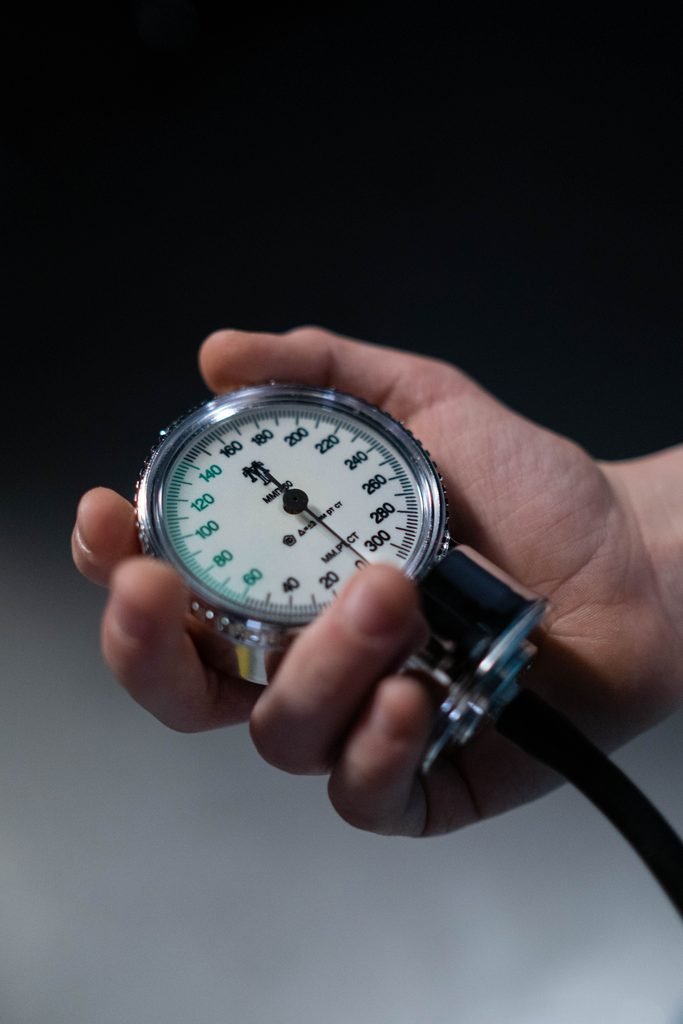
Hypertension is overwhelmingly asymptomatic in the vast majority of patients throughout most of its course — this is the fundamental reason it is called the silent killer and why population screening is so important. Most people with hypertension feel completely well and have no reason to suspect anything is wrong until a complication occurs or the diagnosis is made incidentally during a routine check-up.
When symptoms do occur, they generally arise from two contexts: very severe acute elevations in blood pressure or the end-organ damage that results from years of inadequately controlled hypertension.
Headache
The most commonly reported symptom attributed to hypertension — but the relationship is more nuanced than most people realise. Hypertension does not typically cause headaches at mildly or moderately elevated levels. However, at very high blood pressures — typically above 180 mmHg (Systolic)/ 120 mmHg (Diastolic) — a characteristic occipital headache (felt at the back of the head) that is worse in the morning may occur. This is caused by elevated intracranial pressure resulting from impaired cerebral autoregulation at extreme blood pressure levels.
The majority of headaches in hypertensive patients are tension-type or migraine headaches unrelated to their blood pressure — a common misconception that leads many patients to incorrectly believe they can detect when their blood pressure is high based on how they feel.
Visual Disturbances
Severely elevated blood pressure can cause blurred vision, visual field defects, or sudden visual loss through hypertensive retinopathy — direct damage to the blood vessels of the retina. In hypertensive emergencies, papilloedema (swelling of the optic disc due to raised intracranial pressure) can cause visual disturbances and represents end-organ damage requiring immediate treatment.
Epistaxis — Nosebleeds
While frequently attributed to hypertension by patients and the public, nosebleeds are only weakly associated with elevated blood pressure. Severe hypertension may contribute to epistaxis, but the majority of nosebleeds in hypertensive patients have local nasal causes unrelated to blood pressure.
Dyspnoea — Breathlessness
Breathlessness during physical exercise can develop as hypertension causes left ventricular hypertrophy and diastolic dysfunction — the heart muscle thickens and stiffens in response to chronic pressure overload, impairing its ability to relax and fill normally. This is an early manifestation of hypertensive heart disease and may precede overt heart failure (for more information about heart failure, please click the link).
Chest Pain
Hypertension significantly increases myocardial oxygen demand. In patients with underlying coronary artery disease (for more information about coronary artery disease, please click the link), elevated blood pressure can precipitate angina. Severely elevated blood pressure can rarely cause aortic dissection — a catastrophic tearing of the aortic wall— which presents with sudden, severe, tearing chest or back pain radiating between the shoulder blades and represents an immediate life-threatening emergency.
Symptoms of End-Organ Damage
In patients with longstanding uncontrolled hypertension, symptoms arise from the damage sustained by target organs:
- Cardiac symptoms — chest pain, breathlessness, palpitations from hypertensive heart disease, heart failure, or coronary artery disease
- Renal symptoms — reduced urine output, ankle swelling, fatigue from hypertensive nephropathy progressing to chronic kidney disease
- Visual symptoms — progressive visual deterioration from hypertensive retinopathy
- Neurological symptoms — transient ischaemic attacks or stroke: sudden facial drooping, limb weakness, speech difficulty, or sudden severe headache
Signs of Hypertension
Signs are objective findings detected by a clinician on examination:
Elevated Blood Pressure
This is the defining sign. Persistently elevated office blood pressure on multiple measurements. Measurement technique is critically important: the patient should be seated and rested for at least 5 minutes, not be stressed, not have done physical exercise before the measurement, not have consumed substances that acutely alter blood pressure (such as coffee and cigarettes), and use the correct cuff size, with the arm supported by a table at heart level.
Left Ventricular Hypertrophy
Detected on ECG as increased voltage criteria, or, more accurately, on echocardiogram as increased left ventricular wall thickness. Left Ventricular Hypertrophy indicates that the heart has been working against chronically elevated pressure and represents established hypertensive cardiac remodelling — an important marker of target organ damage.
Displaced or Forceful Apex Beat
A sustained, forceful apex beat (the palpitation that is found in the 5th left intercostal space in the midclavicular line) on palpation reflects left ventricular hypertrophy — the thickened, hypertrophied ventricle generates a more powerful impulse against the chest wall. Displaced apex beat means that the palpitation may not be found in its traditional place, which is described above.
Fourth Heart Sound (S4)
A low-frequency heart sound heard in late diastole — immediately before S1 — produced by atrial contraction forcing blood into a stiff, hypertrophied left ventricle. The S4 sound is a clinical sign of reduced ventricular compliance from Left Ventricular Hypertrophy and is an important auscultatory finding in hypertensive heart disease.
Hypertensive Retinopathy — Fundoscopic Changes
Examination of the retina with an ophthalmoscope reveals characteristic changes reflecting the severity and duration of hypertension:
- Grade 1: Arteriolar narrowing and increased light reflex (silver wiring)
- Grade 2: Arteriovenous nipping — where thickened arterioles compress crossing venules
- Grade 3: Flame-shaped haemorrhages and cotton-wool spots — indicating retinal ischaemia
- Grade 4: Papilloedema — swelling of the optic disc — indicating hypertensive emergency
Renal Bruits
An audible bruit (whooshing sound) heard with a stethoscope over the flanks or upper abdomen may indicate renal artery stenosis as a secondary cause of hypertension — turbulent blood flow through a narrowed renal artery produces a characteristic sound.
Radio-femoral Delay
Simultaneous palpation of the radial pulse at the wrist and the femoral pulse at the groin normally produces synchronous pulses. In coarctation of the aorta — a secondary cause of hypertension— the femoral pulse is delayed and weaker than the radial, reflecting the obstruction to flow in the descending aorta.
Signs of Secondary Causes
Physical examination may reveal clues to secondary hypertension:
- Central obesity, moon face, purple striae — Cushing’s syndrome
- Abdominal or flank masses — Polycystic Kidney Disease
- Thyroid enlargement or signs of thyroid dysfunction — Hyperthyroidism or Hypothyroidism
- Café-au-lait spots — neurofibromatosis associated with phaeochromocytoma
Risk Factors for Hypertension
Non-Modifiable Risk Factors:
- Age — blood pressure rises progressively with age as arteries become stiffer. The majority of people over 65 have hypertension, and the lifetime risk of developing hypertension in a normotensive 55-year-old exceeds 90%.
- Family History and Genetics — a first-degree relative with hypertension approximately doubles an individual’s lifetime risk. Genetic factors account for an estimated 30–60% of blood pressure variability in the population.
- Sex — before the age of 55, hypertension is more common in men. After menopause, women’s rates rise sharply, equalising and eventually exceeding men’s in older age groups — reflecting the loss of oestrogen’s vasodilatory and protective effects.
- Ethnicity — people of African descent have a significantly higher prevalence and severity of hypertension, develop it at a younger age, and experience more severe end-organ damage compared to other ethnic groups. The reasons are multifactorial— including genetic differences in sodium handling and RAAS activity— but socioeconomic and environmental factors also contribute.
Modifiable Risk Factors:
- Excess Dietary Sodium — salt consumption is one of the most powerful dietary determinants of blood pressure. Sodium causes water retention, increases blood volume, and raises blood pressure — particularly in salt-sensitive individuals (who include a disproportionate number of elderly and African-descent patients).
- Obesity and Overweight — excess adiposity raises blood pressure through multiple mechanisms: increased blood volume, sympathetic nervous system activation from adipokines and leptin, insulin resistance, and sleep apnoea. For every 10 kg of excess weight, systolic blood pressure rises by approximately 3 mmHg.
- Physical Inactivity — sedentary behaviour is independently associated with higher blood pressure. Regular aerobic exercise reduces systolic blood pressure by 5–8 mmHg through improvements in endothelial function, reduced sympathetic tone, and weight loss.
- Excessive Alcohol Consumption — alcohol has a dose-dependent pressor effect. More than 14 units per week significantly raises blood pressure and blunts the response to antihypertensive medication. Alcohol also contributes to weight gain and disrupts sleep — both of which raise blood pressure.
- Smoking — each cigarette causes an acute, transient rise in blood pressure and heart rate lasting 20 to 30 minutes. Chronic smoking accelerates arterial stiffness and endothelial dysfunction, raising long-term blood pressure and dramatically amplifying the cardiovascular consequences of hypertension.
- Chronic Psychological Stress — chronic activation of the stress response raises sympathetic tone, promotes cortisol release, and drives unhealthy coping behaviours, including poor diet, physical inactivity, excessive alcohol, and smoking — all of which raise blood pressure.
- Excess Dietary Sugar and Ultra-Processed Foods — diets high in fructose raise uric acid levels and impair nitric oxide production, raising blood pressure independently of sodium intake.
- Sleep Disorders — Obstructive Sleep Apnoea — as previously described, OSA is both a cause and a consequence of hypertension through nocturnal sympathetic activation and RAAS stimulation.
- Diabetes and Insulin Resistance — insulin resistance causes compensatory hyperinsulinaemia, which promotes renal sodium retention and sympathetic activation, raising blood pressure. Hypertension and diabetes co-exist in the majority of patients with either condition.
- Chronic Kidney Disease — impaired sodium excretion and RAAS activation in CKD raise blood pressure, while hypertension itself further damages the kidneys — a bidirectional relationship.
Diagnosis of Hypertension
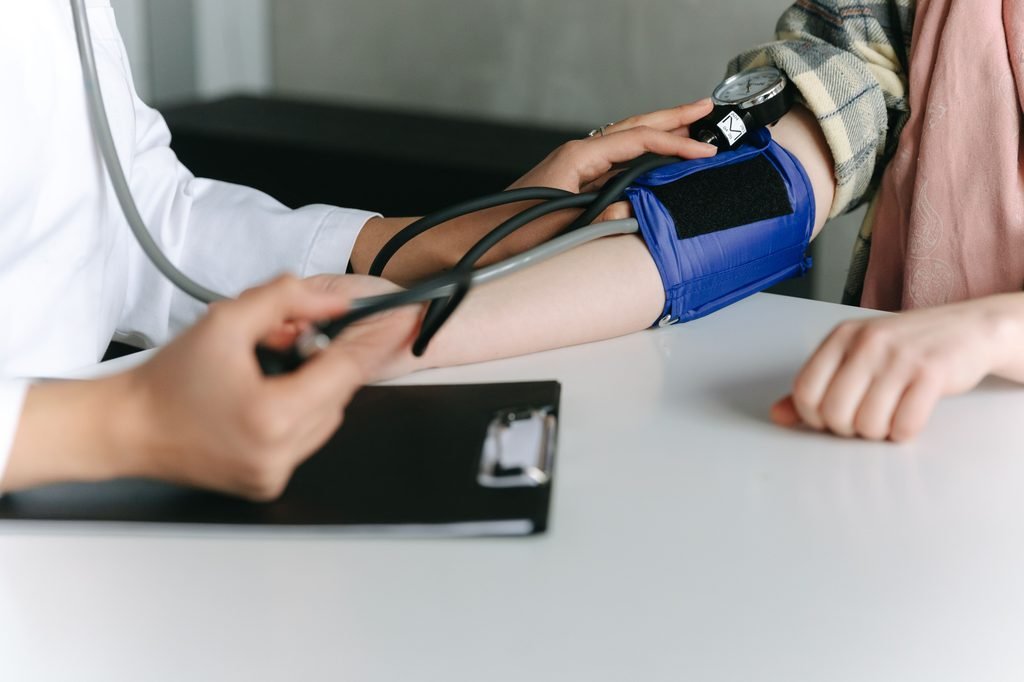
Accurate diagnosis of hypertension requires more than a single elevated blood pressure reading. Current guidelines emphasise the importance of multiple measurements, appropriate technique, and, in many cases, out-of-office blood pressure monitoring to confirm the diagnosis and exclude white-coat hypertension.
Office Blood Pressure Measurement
The foundation of hypertension diagnosis. For accurate measurement:
- The patient should be seated and rested for at least 5 minutes before measurement
- No caffeine, physical exercise, or smoking for at least 30 minutes before measurement
- The correct cuff size must be used — a cuff that is too small overestimates blood pressure, while a cuff that is too big underestimates blood pressure
- The patient should be sitting in a chair with his/her back upright, with both of his/her feet flat on the ground, and their legs should not be crossed
- The arm should be supported by a table at heart level
- At least two readings should be taken at each visit, 1–2 minutes apart, and averaged
- Blood pressure should be measured in both arms at the initial visit — a difference of more than 15 mmHg between arms may indicate subclavian artery stenosis or aortic coarctation
- At least two separate visits are required before diagnosing hypertension — except in Grade 3 hypertension or when target organ damage is present
Ambulatory Blood Pressure Monitoring (ABPM)
ABPM is considered the gold standard for confirming a hypertension diagnosis. A portable device automatically measures blood pressure every 15–30 minutes over a 24-hour period during normal daily activities and sleep. It provides:
- 24-hour average blood pressure — the most reproducible and prognostically important measurement
- Daytime and nighttime averages — allowing identification of non-dipping patterns (failure of blood pressure to fall adequately during sleep), which carry increased cardiovascular risk
- Exclusion of white coat hypertension — elevated blood pressure inside the doctor’s office that normalises outside the clinical setting — a common phenomenon affecting up to 20% of patients with apparent hypertension
- Identification of masked hypertension — normal blood pressure inside the doctor’s office with elevated out-of-office readings — a more dangerous pattern associated with increased cardiovascular risk
Diagnostic thresholds for ABPM: 24-hour average ≥130 mmHg (Systolic)/ 80 mmHg (Diastolic), daytime average ≥135 mmHg/ 85 mmHg, night-time average ≥120 mmHg/ 70 mmHg.
Home Blood Pressure Monitoring (HBPM)
A practical and increasingly recommended alternative to ABPM for confirming diagnosis and monitoring treatment. Patients measure their own blood pressure at home using a validated upper-arm automated device:
- Measurements taken in the morning and evening
- Two consecutive readings at each session, 1 minute apart
- Over at least 4 days (ideally 7 days)
- The average of all readings (excluding the first day) is used
- Diagnostic threshold: average ≥135 mmHg (Systolic)/ 85 mmHg (Diastolic)
Blood Tests
The various values that a blood test measures offer crucial information about hypertension:
- Renal function (eGFR and creatinine) — to assess kidney damage from hypertension and identify renal disease as a secondary cause
- Electrolytes — particularly potassium — hypokalaemia raises suspicion of primary hyperaldosteronism or a diuretic effect
- Fasting glucose and HbA1c — diabetes is a major comorbidity and risk multiplier in hypertension
- Lipid panel — dyslipidaemia frequently coexists with hypertension and dramatically increases overall cardiovascular risk
- Full blood count — to identify anaemia or polycythaemia
- Thyroid function — to exclude hypothyroidism and hyperthyroidism as secondary causes
- Urine albumin-to-creatinine ratio (ACR) — microalbuminuria (small amounts of albumin in the urine) is an early and sensitive marker of hypertensive kidney damage and is an independent cardiovascular risk factor
For a fully detailed explanation and a complete understanding, please read our blood test article.
Electrocardiogram (ECG)
A 12-lead ECG identifies left ventricular hypertrophy (voltage criteria), previous myocardial infarction, arrhythmias — particularly atrial fibrillation, which both causes and is caused by hypertension — and conduction abnormalities.
Echocardiogram
Provides the most accurate assessment of left ventricular hypertrophy, wall thickness, diastolic function, and ejection fraction. An echocardiogram is indicated when an ECG suggests Left Ventricular Hypertrophy, when cardiac symptoms are present, or when the degree of cardiac target organ damage needs to be accurately characterised to guide treatment decisions.
Fundoscopy — Retinal Examination
The examination of the retinal vessels allows direct visualisation of the impact of hypertension on small blood vessels — effectively providing a window into the microvasculature of the entire body. The presence and grade of hypertensive retinopathy reflect the severity and duration of hypertension and identify patients at highest risk of further end-organ damage.
Investigations for Secondary Hypertension
When secondary hypertension is suspected, additional targeted investigations are performed:
- Plasma aldosterone-to-renin ratio — screening test for primary hyperaldosteronism
- 24-hour urine or plasma metanephrines — screening for phaeochromocytoma
- Overnight dexamethasone suppression test — screening for Cushing’s syndrome
- Renal ultrasound and Doppler — assessing kidney size, structure, and renal artery blood flow
- CT or MRI of the adrenal glands — identifying adrenal adenomas or masses
- Sleep study (polysomnography) — diagnosing obstructive sleep apnoea
Target Organ Damage from Hypertension
One of the most important aspects of the hypertension assessment — and one that sets UncutMed’s approach apart — is understanding not just what hypertension is, but what it silently does to the body over years of inadequate control. The sustained haemodynamic stress of chronically elevated blood pressure damages the body’s most vital organs through a combination of mechanical injury to vessel walls, acceleration of atherosclerosis, and promotion of end-organ fibrosis and remodelling.
The Heart — Hypertensive Heart Disease
The heart’s response to chronically elevated afterload — the resistance it must pump against — is compensatory left ventricular hypertrophy. The myocardium thickens its walls to generate the greater contractile force needed to eject blood against elevated arterial resistance. Initially, this adaptation maintains normal cardiac output, but over time it becomes profoundly maladaptive.
The thickened, stiff ventricle impairs diastolic relaxation and filling — producing HFpEF (Heart Failure with preserved Ejection Fraction). Coronary blood flow reserve is reduced as capillary density fails to keep pace with myocardial mass — rendering the hypertrophied heart more vulnerable to ischaemia. Left Ventricular Hypertrophy is independently associated with a dramatically increased risk of myocardial infarction, heart failure, arrhythmias — particularly atrial fibrillation — and sudden cardiac death. Hypertension also directly accelerates coronary atherosclerosis, making it the most important risk factor for coronary artery disease after age.
The Brain — Cerebrovascular Disease
The cerebral vasculature is exquisitely sensitive to chronic pressure injury. Hypertension causes:
Ischaemic Stroke — accelerated atherosclerosis of the carotid and cerebral arteries causes thrombotic strokes. Hypertension is the single most important modifiable risk factor for stroke — accounting for approximately 54% of all strokes globally.
Haemorrhagic Stroke — chronic hypertension weakens small penetrating arteries in the brain through lipohyalinosis — a process of arterial wall degeneration causing microaneurysm formation. Rupture of these microaneurysms causes intracerebral haemorrhage — often catastrophic.
Lacunar Infarction — small-vessel disease from hypertension causes tiny deep-brain infarcts (lacunar infarcts) that accumulate over time, producing progressive cognitive decline, gait disturbance, and eventually vascular dementia.
Hypertensive Encephalopathy — in a hypertensive emergency, cerebral autoregulation — the brain’s ability to maintain constant blood flow despite varying pressures — is overwhelmed. This causes cerebral oedema, raised intracranial pressure, and the clinical syndrome of hypertensive encephalopathy: severe headache, confusion, visual disturbance, and seizures.
The Kidneys — Hypertensive Nephropathy
The kidneys are simultaneously victims and drivers of hypertension. Chronically elevated blood pressure damages the glomerular capillaries — the microscopic filtering units of the kidney — through a process of glomerulosclerosis: scarring and obliteration of the filtering surface. This reduces the kidney’s filtration capacity, raises creatinine, and ultimately progresses to chronic kidney disease and end-stage renal failure if hypertension remains uncontrolled.
The damaged kidneys respond by activating the RAAS — raising blood pressure further in a destructive cycle that accelerates both cardiovascular and renal disease simultaneously. Microalbuminuria — small amounts of albumin leaking through damaged glomeruli into the urine — is the earliest detectable sign of hypertensive kidney damage, preceding a measurable fall in eGFR by years.
The Eyes — Hypertensive Retinopathy
The retinal vasculature mirrors the state of small blood vessels throughout the body. Chronic hypertension causes progressive retinal arteriolar changes — from narrowing and increased tortuosity through to haemorrhages, exudates, and, in severe cases, papilloedema. Advanced hypertensive retinopathy can cause permanent visual impairment. Fundoscopic examination of the retina provides a uniquely accessible window into the systemic microvascular damage caused by hypertension.
The Aorta and Large Arteries — Aortic Disease
Chronic hypertension is the single most important risk factor for aortic aneurysm — progressive dilatation of the aortic wall from sustained pressure injury and elastin degradation — and aortic dissection — catastrophic tearing of the aortic wall layers. Both conditions carry very high mortality if unrecognised or untreated. Hypertension also dramatically accelerates peripheral arterial disease through atherosclerosis of the limb arteries.
Treatment of Hypertension

Treatment of hypertension has two fundamental components — lifestyle modification and pharmacological therapy — which are complementary and, in many patients, both necessary. The goal of treatment is to reduce blood pressure to target levels, thereby reducing the risk of cardiovascular events and end-organ damage.
Current ESC/ESH guidelines recommend a blood pressure target of below 130 mmHg/80 mmHg for most treated hypertensive patients, with a target of below 140 mmHg/90 mmHg for elderly patients over 80 years of age, as lower targets may not be tolerated.
Lifestyle Modification
Lifestyle changes are the foundation of hypertension management and are recommended for all patients — regardless of whether medication is also required. In Grade 1 hypertension with low to moderate cardiovascular risk, lifestyle modification alone may achieve blood pressure targets without the need for medication.
Dietary Sodium Reduction: Reducing sodium intake to below 5 grams of salt (2 grams of sodium) per day reduces systolic blood pressure by 5–6 mmHg on average — comparable to the effect of a single antihypertensive medication. The majority of dietary sodium comes not from the salt shaker but from processed foods, bread, cured meats, and restaurant meals. Reading food labels and choosing low-sodium alternatives makes an enormous difference.
The DASH Diet: The Dietary Approaches to Stop Hypertension (DASH) diet — rich in fruits, vegetables, whole grains, low-fat dairy, and lean protein while limiting saturated fat, red meat, and added sugar — reduces systolic blood pressure by 8–14 mmHg. Combined with sodium restriction, its effect is even greater. The Mediterranean diet, which shares many features with DASH, has similarly demonstrated cardiovascular protective benefits.
Weight Loss: For every 1 kg of weight lost, systolic blood pressure falls by approximately 1 mmHg. A 10 kg weight loss can reduce systolic blood pressure by 5–20 mmHg — a clinically meaningful reduction. Weight loss also improves insulin sensitivity, lipid profiles, and sleep apnoea — all of which contribute additional cardiovascular benefit.
Regular Aerobic Exercise: 150 minutes of moderate-intensity aerobic exercise per week — brisk walking, cycling, swimming — reduces systolic blood pressure by 5–8 mmHg through improved endothelial function, reduced sympathetic tone, and favourable effects on body weight and insulin sensitivity. Isometric resistance exercise — such as handgrip exercises — has also been shown to reduce blood pressure significantly and may be particularly useful for patients who cannot perform aerobic exercise.
Alcohol Reduction: Limiting alcohol to below 14 units per week reduces systolic blood pressure by 2–4 mmHg and improves the effectiveness of antihypertensive medications.
Smoking Cessation: While smoking cessation does not directly lower resting blood pressure substantially, it dramatically reduces the overall cardiovascular risk associated with hypertension and should be considered an essential component of cardiovascular risk reduction in all hypertensive smokers.
Stress Management: While the evidence base is less robust than for other lifestyle interventions, stress reduction techniques — mindfulness, meditation, yoga, and adequate sleep — reduce sympathetic tone and cortisol levels, contributing to modest blood pressure reductions and significant improvements in overall well-being.
Pharmacological Treatment
When lifestyle modification alone is insufficient — or when blood pressure is elevated enough to require immediate treatment — pharmacological therapy is added. Five major drug classes form the cornerstone of antihypertensive therapy:
- ACE Inhibitors (e.g., Ramipril, Lisinopril, Perindopril): ACE (angiotensin-converting enzyme) inhibitors block the conversion of angiotensin I to angiotensin II — the potent vasoconstrictor and aldosterone-stimulating hormone at the heart of RAAS activation. By reducing angiotensin II levels, ACE inhibitors cause arterial vasodilation, reduce aldosterone-mediated sodium retention, and lower blood pressure. Beyond blood pressure reduction, they have additional organ-protective effects — particularly in the kidneys (reducing proteinuria and slowing progression of nephropathy) and heart (reducing LVH and improving outcomes in heart failure). They are preferred first-line agents in hypertensive patients with diabetes, chronic kidney disease, heart failure, or post-myocardial infarction. The most common side effect is a dry, persistent cough — caused by accumulation of bradykinin — which occurs in 10–15% of patients and requires switching to an ARB.
- Angiotensin Receptor Blockers — ARBs (e.g., Losartan, Candesartan, Valsartan): ARBs block the angiotensin II receptor directly — achieving the same haemodynamic and organ-protective effects as ACE inhibitors but without the bradykinin-mediated cough. They are the preferred alternative for patients who are intolerant of ACE inhibitors and share the same indications and organ-protective properties.
- Calcium Channel Blockers — CCBs (e.g., Amlodipine, Lercanidipine, Felodipine): Dihydropyridine CCBs block calcium entry into vascular smooth muscle cells, causing arterial vasodilation and reducing peripheral resistance — lowering blood pressure without significantly affecting heart rate. They are particularly effective in elderly patients and those of African descent, populations in whom RAAS-based therapies are less effective due to typically lower renin activity. They are well tolerated with a low side effect profile — the most common side effect is peripheral ankle oedema from arteriolar vasodilation without compensatory venodilation.
- Thiazide and Thiazide-Like Diuretics (e.g., Indapamide, Chlorthalidone, Hydrochlorothiazide): Thiazide diuretics act on the distal convoluted tubule of the kidney, blocking sodium reabsorption and promoting natriuresis — reducing blood volume and lowering blood pressure. They are among the most evidence-based antihypertensive agents for reducing stroke and cardiovascular events and are particularly effective in combination with ACE inhibitors or ARBs. Thiazide-like diuretics — indapamide and chlorthalidone — have superior 24-hour blood pressure lowering compared to hydrochlorothiazide and are preferred in current guidelines.
- Beta-Blockers (e.g. Bisoprolol, Atenolol, Nebivolol): Beta-blockers reduce blood pressure primarily by decreasing heart rate and cardiac output, and by inhibiting renin release from the kidneys. They are not recommended as first-line antihypertensive agents in uncomplicated hypertension due to relatively inferior outcomes for stroke prevention compared to other classes, but are the preferred antihypertensive in specific situations — hypertension with concurrent coronary artery disease, heart failure with reduced ejection fraction, post-myocardial infarction, or significant tachyarrhythmias.
Combination Therapy
The majority of patients with hypertension require more than one antihypertensive medication to achieve blood pressure targets. Current guidelines recommend initiating treatment with a two-drug combination in most patients — typically an ACE inhibitor or ARB combined with either a CCB or thiazide diuretic — rather than starting with monotherapy and stepping up. This approach achieves faster blood pressure control, reduces side effects (as lower doses of each agent can be used), and improves adherence when both drugs are combined in a single pill (single-pill combination).
Resistant Hypertension
This condition is defined as blood pressure remaining above target despite three antihypertensive medications at optimal doses, including a diuretic, and it affects approximately 10% of hypertensive patients. Management includes confirming true resistance (excluding non-adherence, white coat effect, and secondary causes), adding spironolactone as a fourth agent, and specialist referral. Newer approaches, including renal denervation — catheter-based radiofrequency ablation of the renal sympathetic nerves — have shown promising results in resistant hypertension.
Prevention of Hypertension
The lifestyle modifications described in the treatment section are equally — if not more — powerful as preventive measures in people who have not yet developed hypertension. Since primary hypertension is fundamentally a lifestyle and environmental disease superimposed on genetic susceptibility, its development is largely preventable in the population as a whole.
Maintaining a healthy weight throughout life is arguably the single most impactful preventive measure — the epidemic of hypertension tracks closely with the global obesity epidemic. Adopting a low-sodium, plant-rich diet in early life, engaging in regular physical activity, limiting alcohol, and avoiding smoking dramatically reduce the lifetime risk of developing hypertension.
Regular blood pressure monitoring from the age of 40 — or earlier in those with family history, obesity, or other risk factors — allows early detection and intervention before target organ damage develops. The most effective population-level prevention strategy is identifying the enormous number of people who have hypertension but do not know it — screening, awareness, and early treatment remain the most powerful tools available.
Prognosis

The prognosis of hypertension is directly and powerfully related to the level of blood pressure control achieved. Hypertension that is detected early, treated effectively, and monitored consistently carries an excellent prognosis — the excess cardiovascular risk can be substantially reduced and, in some analyses, approaches that of the normotensive population with sustained optimal control.
Antihypertensive treatment reduces the risk of:
- Stroke by 35–40%
- Myocardial infarction by 20–25%
- Heart failure by more than 50%
- Progression to end-stage renal disease by 30–40%
Conversely, untreated or inadequately controlled hypertension carries a profoundly unfavourable prognosis — the risk of stroke, heart attack, heart failure, kidney failure, and dementia accumulates progressively with every decade of inadequate control and with every incremental rise in blood pressure above the optimal range.
Prognosis in hypertension is also determined by the overall cardiovascular risk profile — the same blood pressure level carries very different implications in a young non-smoking woman with no other risk factors compared to a diabetic, obese, smoking man with established coronary disease. This is why modern hypertension guidelines emphasise treating total cardiovascular risk rather than blood pressure in isolation.
Living with Hypertension
Receiving a diagnosis of hypertension can feel alarming — but it is important to understand that hypertension is one of the most manageable chronic conditions in medicine. Millions of people worldwide live full, active, and long lives with hypertension that is well controlled.
It is a lifelong commitment, not a temporary fix. Hypertension is a chronic condition. Medications — once started — are typically taken indefinitely, because they control blood pressure rather than cure the underlying condition. Stopping antihypertensive medication causes blood pressure to return to elevated levels within days to weeks. This is one of the most important facts for patients to understand and accept.
You will feel the same whether your blood pressure is controlled or not. This is the most dangerous aspect of hypertension — the absence of symptoms creates a false sense of security. Many patients stop their medications when they feel well, not realising that feeling well has nothing to do with whether their blood pressure is controlled. The damage hypertension does is silent and cumulative — it does not send warning signals until a heart attack, stroke, or kidney failure occurs.
Home monitoring empowers you. Investing in a validated upper-arm blood pressure monitor and checking your blood pressure regularly at home puts you in control of your condition. It provides your doctor with far more useful information than occasional office readings and helps you see the real-world impact of lifestyle changes and medications on your blood pressure.
Medication side effects are manageable. Many patients are reluctant to start blood pressure medications due to fear of side effects. In reality, modern antihypertensive medications are well tolerated by the majority of patients. If one medication causes side effects, there are multiple alternatives. Never stop a medication without discussing it with your doctor — adjustments can almost always be made to find a regimen that is both effective and comfortable.
Small consistent changes make an enormous difference. Reducing salt intake, walking 30 minutes a day, losing a modest amount of weight, and limiting alcohol are not dramatic interventions — but their cumulative effect on blood pressure and cardiovascular risk is profound and lasting. These changes do not need to happen all at once. Each small, sustained improvement moves the needle meaningfully in the right direction.
Hypertension does not define your life. With the right treatment plan, lifestyle adjustments, and regular monitoring, hypertension becomes a background condition that requires attention but does not limit what you can do, where you can go, or how long you can live. The vast majority of people with well-controlled hypertension experience no symptoms and no limitations in their daily life.
When to Call Emergency Services or Your Doctor
Call Emergency Services immediately if you experience:
- Sudden severe headache — the worst headache of your life — particularly if associated with neck stiffness, vomiting, or altered consciousness (possible subarachnoid haemorrhage or hypertensive encephalopathy)
- Sudden facial drooping, arm weakness, or speech difficulty — signs of stroke
- Sudden severe chest pain — particularly tearing or ripping pain radiating to the back (possible aortic dissection)
- Sudden loss of vision in one or both eyes
- Sudden loss of consciousness or seizure
- Severe breathlessness at rest — possible acute hypertensive pulmonary oedema
- Blood pressure reading above 180 mmHg/ 120 mmHg with any of the above symptoms
Contact your Doctor urgently (same day) if you notice:
- Blood pressure consistently above 180 mmHg/ 120 mmHg on home monitoring without symptoms — hypertensive urgency requiring prompt medication adjustment
- Significant swelling of the ankles or legs — possible early heart failure or a medication side effect
- New or worsening headaches that you suspect may be related to blood pressure
- Reduced urine output or new foamy urine — possible deteriorating kidney function
- Side effects of antihypertensive medications — dizziness, persistent cough, palpitations
- Difficulty affording or accessing your medications
Discuss at Your Next Scheduled Appointment:
- Home blood pressure readings that are consistently above your target
- New symptoms that may be related to hypertension or its treatment
- Concerns about medication side effects or dosing
- Changes in other health conditions that may affect blood pressure management
- Questions about lifestyle modifications and how to implement them practically
- Plans for pregnancy — many antihypertensive medications are unsafe in pregnancy and require substitution
What to Ask Your Doctor About Hypertension
Being an engaged and informed patient leads to better outcomes. Here are the most important questions to discuss with your healthcare team:
About your Diagnosis:
- What grade of hypertension do I have, and what is my overall cardiovascular risk?
- Do I need investigations to exclude a secondary cause of my hypertension?
- Has my hypertension caused any damage to my heart, kidneys, eyes, brain, or other organs?
About your Treatment:
- Should I start with lifestyle changes alone, or do I need medication immediately?
- Which medication is most appropriate for me given my other health conditions?
- What blood pressure target are we aiming for?
- How will we know if my treatment is working?
- Are there any medications — including over-the-counter drugs and supplements — that I should avoid?
About Monitoring:
- Should I monitor my blood pressure at home, and if so, how often?
- What blood pressure readings at home should prompt me to contact you?
- How frequently do I need blood tests, and what are you checking for?
About Lifestyle:
- How much can lifestyle changes be expected to reduce my blood pressure?
- What specific dietary changes would have the most impact for me?
- Is it safe for me to exercise, and what type of exercise do you recommend?
About the Future:
- What are the long-term risks if my blood pressure is not well controlled?
- Will I need to take medication for life?
- Are there any newer treatments I should know about?
Sources
- Williams, B., et al. (2018). 2018 ESC/ESH Guidelines for the management of arterial hypertension. European Heart Journal, 39(33), 3021–3104. https://doi.org/10.1093/eurheartj/ehy339
- Whelton, P.K., et al. (2018). 2017 ACC/AHA Guideline for the Prevention, Detection, Evaluation, and Management of High Blood Pressure in Adults. Journal of the American College of Cardiology, 71(19), e127–e248. https://doi.org/10.1016/j.jacc.2017.11.006
- NCD Risk Factor Collaboration. (2021). Worldwide trends in hypertension prevalence and progress in treatment and control from 1990 to 2019. The Lancet, 398(10304), 957–980. https://doi.org/10.1016/S0140-6736(21)01330-1
- Oparil, S., et al. (2018). Hypertension. Nature Reviews Disease Primers, 4, 18014. https://doi.org/10.1038/nrdp.2018.14
- Whelton, P.K., & Carey, R.M. (2018). The 2017 Clinical Practice Guideline for High Blood Pressure. JAMA, 320(17), 1765–1767. https://doi.org/10.1001/jama.2018.14322
- Appel, L.J., et al. (1997). A Clinical Trial of the Effects of Dietary Patterns on Blood Pressure (DASH Trial). New England Journal of Medicine, 336(16), 1117–1124. https://doi.org/10.1056/NEJM199704173361601
- Ettehad, D., et al. (2016). Blood pressure lowering for prevention of cardiovascular disease and death: a systematic review and meta-analysis. The Lancet, 387(10022), 957–967. https://doi.org/10.1016/S0140-6736(15)01225-8
- Carey, R.M., et al. (2018). Resistant Hypertension: Detection, Evaluation, and Management. Hypertension, 72(5), e53–e90. https://doi.org/10.1161/HYP.0000000000000084
- Fuchs, F.D., & Whelton, P.K. (2020). High Blood Pressure and Cardiovascular Disease. Hypertension, 75(2), 285–292. https://doi.org/10.1161/HYPERTENSIONAHA.119.14240
- Mills, K.T., et al. (2020). Global Disparities of Hypertension Prevalence and Control. Circulation, 134(6), 441–450. https://doi.org/10.1161/CIRCULATIONAHA.115.018912
- Flint, A.C., et al. (2019). Effect of Systolic and Diastolic Blood Pressure on Cardiovascular Outcomes. New England Journal of Medicine, 381(3), 243–251. https://doi.org/10.1056/NEJMoa1803180
- Kasper, D.L., et al. (2018). Harrison’s Principles of Internal Medicine (20th ed.). McGraw-Hill Education.
Featured image: Marta Branco / Pexels
© UncutMed — Medical knowledge precise, truthful, unfiltered. This article was last reviewed on August 27, 2026. Always consult your healthcare provider for personal medical advice.