© UncutMed — Medical knowledge, precise, truthful, unfiltered. This article was last reviewed on 3 August 2026. Always consult your healthcare professional for personal medical advice.
⚕️ Medical Disclaimer: This article is for informational and educational purposes only. It does not constitute medical advice, diagnosis, or treatment. Always consult a qualified healthcare professional to interpret your results and guide your care.
The timeless value of a blood test in medicine
You’ve probably held a blood test results page in your hands and stared at a wall of numbers, abbreviations, and arrows pointing up or down, feeling completely lost. You’re not alone. Most people leave their doctor’s office with little more than a “everything looks fine” or “this value is a bit high,” without truly understanding what their blood test is telling them.
Blood is one of the most information-rich substances in your body. A single tube drawn from your arm can reveal how your kidneys are functioning, whether your liver is under stress, if your immune system is fighting something, how well your thyroid is working, an anomaly in blood cell production by the bone marrow, and dozens of other vital signals. The goal of this article is to change the way you look at your results, NOT to replace your doctor, but to make you a more informed, empowered patient.
We’ll cover the basic blood panel that is ordered in most routine check-ups, and then explore the “special” tests that require a specific request. For each measurement, you’ll learn what it is, what the normal range is, why it matters for the normal function of the body, and what it might mean when it falls outside that normal range (should it be high or low).
Part 1 : The Complete Blood Count (CBC) – The Cellular Picture of Your Blood
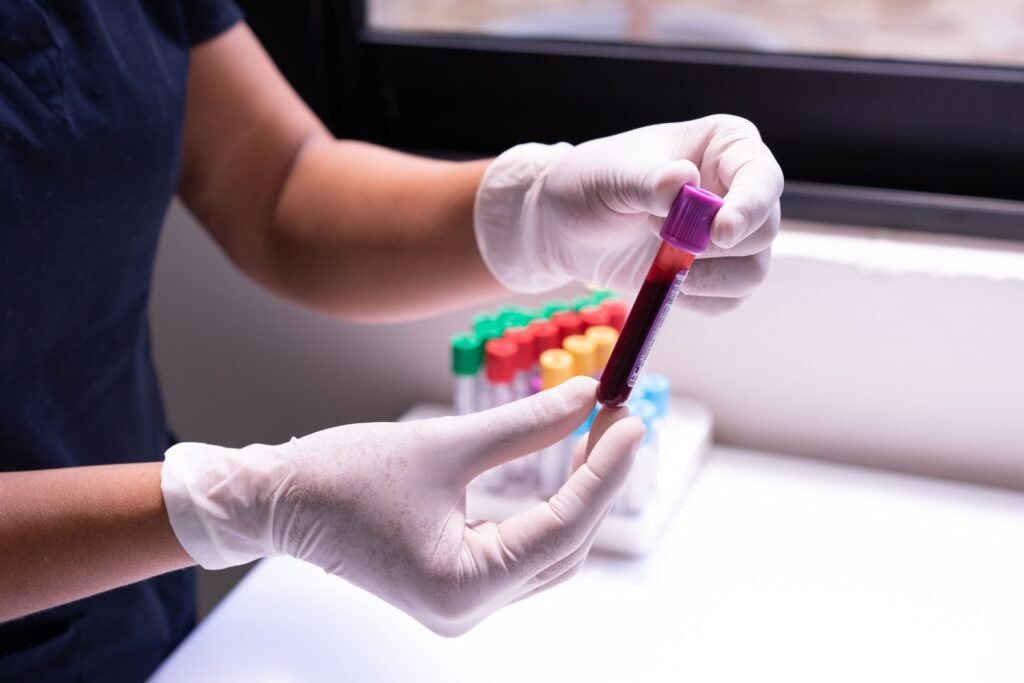
The Complete Blood Count is the most commonly ordered blood test in the world. It examines the three main types of cells floating in the blood : red blood cells, white blood cells, and platelets. Think of it as a census of everything that circulates around your bloodstream.
Red Blood Cells (RBC)
The Red Blood Cells (RBCs) are the most abundant cells in your blood. Their core and most important purpose is to carry oxygen from the lungs to every single tissue in your body and transfer carbon dioxide away from those tissues so it can be exhaled.
Normal Range : 4.7–6.1 million cells/µL (Men) | 4.2–5.4 million cells/µL (Women)
Why it matters : On the one hand, without enough red blood cells, your tissues don’t get enough oxygen so that they can function properly, a medical condition known as anemia. On the other hand, too many red blood cells, a medical condition known as polycythemia, can thicken your blood and raise the risk of clots.
If Red Blood Cells (RBC) are LOW, the measurement may indicate:
- Anemia
- Blood loss
- Nutritional deficiencies (iron, vitamin B12)
- Bone marrow problems
If Red Blood Cells (RBC) are HIGH, the measurement may indicate:
- Dehydration
- Congenital heart disease
- Polycythemia vera
- Lung disease, such as emphysema, chronic obstructive pulmonary disease, pulmonary fibrosis
- Sleep apnea
- Kidney tumor
- Lifestyle factors (smoking, performance-enhancing drugs like anabolic drugs, erythropoietin use, living at high altitude)
Hematocrit (Hct)
Hematocrit (Hct) measures what percentage of your total blood volume is made up of red blood cells. This measurement essentially shows how “packed” your blood is with these cells.
Normal Range : 38.3% – 48.6% (Men) | 35.5% – 44.9% (Women)
Why it matters: It works hand-in-hand with hemoglobin to assess anemia or blood concentration. Hematocrit is especially useful for monitoring patients who receive blood transfusions or are losing blood.
When the hematocrit value is LOW, the proportion of red blood cells in the blood is lower than usual. This result can indicate :
- Anemia
- Chronic disease (Kidney disease resulting in low EPO production)
- Vitamins and minerals deficiency (vitamin B12, iron)
- Blood loss (recent or long-term)
- Pregnancy
When the hematocrit value is HIGH, the proportion of red blood cells in the blood is higher than normal. This result can indicate:
- Dehydration
- A disorder that causes your body to produce too many red blood cells (for example, polycythemia vera)
- Lung or heart disease
- Recent blood transfusion
- Lifestyle (smoking, living at high altitude)
Mean Corpuscular Volume — MCV
Mean Corposcular Volume (MCV) is a value that tells you the average size of your red blood cells. This single number is incredibly useful for determining the type of anemia a person has.
Normal Range : 80–100 fL, for adults
Why it matters : The size of Red Blood Cells tells you everything you need to know. Small red blood cells (microcytic) usually point to iron deficiency. Large red blood cells (macrocytic) often point to vitamin B12 or folate deficiency.
When MCV is LOW, a medical condition known as microcytosis, this result may indicate :
- Iron deficiency anemia
- Thalassemia
- Other hemoglobin disorders
When MCV is HIGH, a medical condition known as macrocytosis, this result may indicate :
- Pernicious
- Vitamin B12 deficiency
- Folate deficiency
- Bone marrow dysfunction
- Liver disease
- Medication (chemotherapy can cause a high MCV result)
Mean Corpuscular Hemoglobin — MCH
Mean Corpuscular Hemoglobin (MCH) is a value that measures the average amount of hemoglobin inside a single red blood cell.
Normal Range : 27–33 pg per cell, for adults
Why it matters: This measurement goes hand in hand with MCV. Low MCH usually accompanies small, pale red blood cells (hypochromic and/or microcytic anemia), while high MCH accompanies large red blood cells (macrocytic anemia).
When MCH is LOW, this result may indicate :
- Iron deficiency (with the most common cause being blood loss)
- Hemoglobinopathies (for example, sickle cell anemia and thalassemia)
- Inflammation due to chronic conditions
When MCH is HIGH, this result may indicate :
- Thyroid gland disorders
- Vitamin deficiencies (vitamin B12 and folate)
- Medication side effects (for example, chemotherapy)
- Alcohol use disorder (long-term)
Mean Corpuscular Hemoglobin Concentration — MCHC
Mean Corpuscular Hemoglobin Concentration (MCHC) is a value that measures the concentration of hemoglobin within red blood cells. In simple terms, it essentially shows how densely packed each cell is with hemoglobin.
Normal Range : 32–36 g/dL for adults
Why it matters : A low MCHC creates pale red blood cells that carry less oxygen per cell. It is often the last red cell index to fall in iron deficiency.
When MCHC is LOW (hypochromia), which means that Red Blood Cells have less hemoglobin than normal, this result may indicate :
- Chronic blood loss (for example ulcers, menorrhagia)
- Iron deficiency anemia (low iron intake, fail of absorption, blood loss)
- Thalassemia
- Chronic inflammation/disease
- Lead poisoning
When MCH is HIGH (hyperchromia), which means that hemoglobin is too concentrated, this result may indicate :
- Severe dehydration
- Autoimmune hemolytic anemia
- Hereditary spherocytosis
- Liver disease (may affect cell membrane structure)
White blood cell (WBC) – Total Count
White blood cells are the soldiers of your immune system. They defend your body against infections, foreign invaders, and abnormal cells.
Normal Range : 4,500–11,000 cells/µL for adults
Why it matters : The total WBC count is a quick snapshot of your immune system’s activity. But the real insight comes from the breakdown of the 5 types (the differential).
When WBC is LOW, which is called Leukopenia, this may indicate :
- Bone marrow damage from chemotherapy, radiation, or disease
- Autoimmune disorders (for example, lupus)
- HIV infection
- Specific medications (such as immunosuppressants)
When WBC is HIGH, which is called Leukocytosis, this may indicate :
- Infection
- Inflammation
- Other causes (stress, hard exercise, smoking, certain medications, or bone marrow and immune system disorders)
- Leukemia (if the WBC value is extremely high, typically ranging between 100,000 to 400,000 cells per microliter)
The WBC differential – The 5 types of white blood cells
Your white blood cell count is broken down into five types, each with a different role in the normal function of your immune system :
Neutrophils Normal : The frontline fighters against bacterial infections. Typically, 50%–70% of total WBC.
Normal Range : 1,500-7,500 cells/μL for adults
When the absolute value of neutrophils is LOW, which is called neutropenia, this may indicate :
- Genetic disorders (benign ethnic neutropenia, cyclic neutropenia and severe congenital neutropenia)
- Autoimmune disorders (Crohn’s disease, lupus, and rheumatoid arthritis)
- Infections (common causes include hepatitis, HIV, sepsis, tuberculosis, and Lyme disease, among other infections)
- Cancer (leukemia and lymphoma)
- Medication (cancer treatments like chemotherapy and radiation therapy)
- Nutritional defeciencies (vitamin B12, folate and copper)
When the absolute value of neutrophils is HIGH, which is called neutrophelia, this may indicate :
- Chronic myelogenous leukemia
- Polycythemia vera
- Juvenile myelomonocytic leukemia
- Essential thrombocytosis
- Chronic neutrophilic leukemia
- Infection (especially bacterial)
- Inflammation
- Injuries (such as breaking a bone)
- Physical or emotional stress
- Vigorous exercise
Lymphocytes : The generals of your immune system, responsible for targeted immune responses, including producing antibodies. Normally 20%–40% of total WBC.
Normal Range : 1,000-4,800 cells/μL for adults
When the absolute value of lymphocytes is LOW, which is called lymphocytopenia, this may indicate :
- HIV disease
- Tuberculosis
- Viral Hepatitis
- Autoimmune disease (for example, lupus)
- Rare inherited conditions (for example, severe combined immunodeficiency)
- Blood disease (such as Hodgkin’s disease)
- Radiation or chemotherapy treatments
When the absolute value of lymphocytes is HIGH, which is called lymphocytosis, this may indicate :
- Viral infections
- Hepatitis
- Syphilis
- Tuberculosis
- Hypothyroidism
- Blood cancers such as lymphoma or leukemia (if the absolute value is extremely high)
Monocytes : Large cells that engulf and destroy pathogens and debris. Normal: 2%–8% of total WBC count.
Normal range : 200-800 cells/μL for adults
When the absolute value of monocytes is LOW, which is called monocytopenia, this may indicate :
- Aplastic anemia
- Blood infection
- HIV infection
- Chemotherapy
- Burn injuries
When the absolute value of monocytes is HIGH, which is called monocytosis, this may indicate :
- Autoimmune disease
- Chronic stress
- Cancer
- Blood disorders
- Infections (acute or chronic)
- Inflammatory disorders
- Pregnancy
Eosinophils : Specialists in fighting parasites and mediating allergic reactions. Normally 1–4% of total WBC count.
Normal range : 30-350 cells/μL for adults
When the absolute value of eosinophils is LOW, which is called eosinopenia, this may indicate :
- Cushing’s syndrome (too much cortisol in the body)
- Sepsis (widespread inflammation and blood clotting, usually occurs from bacterial, parasitic, viral, or fungal infections)
When the absolute value of eosinophils is HIGH, which is called eosinophilia, this may indicate :
- Eosinophilic blood and tissue disorders (affect the connective tissue, the skin, the blood, the blood vessels, the heart, the kidneys, an example being eosinophilic granulomatosis)
- Eosinophilic gastrointestinal disorders (eosinophilic colitis, eosinophilic esophagitis, eosinophilic gastritis, eosinophilic gastroenteritis and eosinophilic cystitis)
- Eosinophilic lung disorders (eosinophilic asthma, bronchitis, and pneumonia)
Basophils : The rarest white blood cell, involved in allergic responses (by releasing histamine) and inflammation. Normal: 0.5%–1% of total WBC count.
Normal range : 0-300 cells/μL for adults
When the absolute value of basophils is LOW, which is called basopenia, this may indicate :
- Hyperthyroidism
- Medication side effect
When the absolute value of basophils is HIGH, which is called basophilia, this may indicate :
- Infections
- Allergic reactions
- Autoimmune diseases
- Hypothyroidism
- Cancer
Platelets (PLT)
Platelets are tiny cell fragments — NOT full cells — whose sole job is to stop bleeding by forming clots when a blood vessel is damaged.
Normal range : 150.000-400.000 cells/μL for adults
Why it matters : Too few platelets (thrombocytopenia) means your blood can’t clot properly, leading to excessive bruising or bleeding. Too many (thrombocytosis) can increase the risk of dangerous blood clots.
When the absolute value of platelets is LOW, which is called thrombocytopenia, this may indicate :
- Bone marrow disorder (like leukemia or lymphoma)
- Autoimmune diseases (like immune thrombocytopenia, lupus, and rheumatoid arthritis)
- Cancer treatments (chemotherapy and radiation therapy)
- Thrombotic thrombocytopenic purpura (TTP)
- Infections (bacterial and viral)
- Alcohol use disorder
- Toxic chemicals (arsenic, benzene, and pesticides)
- Medications (antibiotics, blood thinner heparin, medication for heart conditions, and seizures)
When the absolute value of platelets is HIGH, which is called thrombocytocis, this may indicate :
- Blood loss
- Spleen removal surgery
- Medication
- Infections
- Iron-deficiency anemia
- Cancer
- Inflammatory conditions
Part 2 : The Basic Metabolic Panel – The chemistry of your blood

This part of your blood test refers to the dissolved chemicals in your blood. These are the substances that regulate the basic functions of the human body, such as energy, fluid balance, and waste removal.
Glucose
Glucose is the primary fuel source for every cell in your body, especially your brain. Blood glucose is measured after fasting (at least 8 hours without food) in most routine tests.
Normal Range (fasting) : 70–99 mg/dL or 3.9 to 5.5 mmol/L (after 8 hours of fasting)
Why it matters : Chronically elevated glucose damages blood vessels and nerves over time. This is the main mechanism behind diabetes and its complications.
When the value of blood glucose is LOW, which is called hypoglycemia, this may indicate:
- Kidney disease
- Liver disease
- Addison’s disease (adrenal insufficiency)
- Hypothyroidism
- Insulinoma (rare tumor)
- Alcohol use disorder (AUD)
When the value of blood glucose is HIGH, which is called hyperglycemia, this may indicate:
- Prediabetes (fasting glucose levels 100 to 125 mg/dl or 5.6 to 6.9 mmol/L)
- Diabetes mellitus type 2 (fasting glucose levels >126 mg/dl or 7.0 mmol/L)
- Diabetes mellitus type 1 (usually very high levels of glucose >200 mg/dl or >11.1 mmol/L)
- Pancreatitis
- Cushing syndrome
- Hyperthyroidism
- Significant stress (for example, surgery or trauma)
- Medication (for example, corticosteroids)
Sodium (Na)
Sodium is the dominant electrolyte in the fluid outside human cells. It controls water distribution in the body and is essential for nerve impulse transmission.
Normal range : 136–145 mEq/L
When the value of sodium is LOW, which is called hyponatremia, this may indicate:
- Syndrome of inappropriate antidiuretic hormone secretion (SIADH)
- Kidney failure
- Heart failure
- Liver cirrhosis
- Nephrotic syndrome
- Excessive thirst (Polydipsia)
- Hypothyroidism
- Neurological conditions
- Certain medications like diuretics
- Nonmedical or recreational drugs such as MDMA
- Excessive consumption of beer or other alcoholic beverages
When the value of sodium is HIGH, which is called hypernatremia, this may indicate:
- Dehydration (water loss through different pathways such as heavy sweating, diarrhea, vomiting, fever, and fast breathing)
- High sodium intake (eating too much salt, intravenous hospital fluids, hormone problems such as aldosterone)
Potassium (K)
Potassium is the main electrolyte inside human cells and plays a critical role in heart rhythm and muscle function.
Normal Range : 3.5–5.0 mEq/L
Why it matters : Potassium is arguably the most medically important electrolyte, even small deviations outside the normal range can cause dangerous heart arrhythmias.
When the value of potassium is LOW, which is called hypokalemia, this may indicate :
- Chronic kidney disease
- Excessive sweating (hyperhidrosis)
- Eating disorder (for example, bulimia nervosa)
- Adrenal disorders (such as primary aldosteronism or Cushing syndrome)
- Medication (diuretics, certain antibiotics, corticosteroids)
- Low magnesium levels (hypomagnesemia)
- Bartter’s syndrome and Gitelman syndrome (rare genetic kidney disorders)
- Liddle syndrome (rare genetic condition that causes increased blood presure)
- Low potassium intake (due to a poor diet, but this happens rarely)
When the value of potassium is HIGH, which is called hyperkalemia, this may indicate :
- Acute kidney injury (AKI)
- Chronic kidney disease (CKD)
- Medication (ACE inhibitors, Angiotensin II Receptor Blockers, potassium-sparing diuretics, nonsteroidal anti-inflammatory drugs)
- Hormonal issues (such as Addison’s disease, where aldosterone production is low)
- Insulin defeciency
- Tissue breakdown (Massive injuries, burns, rhabdomyolysis, which is muscle breakdown, and tumor lysis syndrome)
- Acidosis
- Diet and supplements (excessive potassium intake)
- Medical interventions (massive blood transfusions or intravenous fluids containing potassium)
- Pseudohyperkalemia
Bicarbonate (HCO₃⁻)
Bicarbonate reflects the body’s acid-base balance, specifically whether your blood is too acidic or too alkaline.
Normal Range : 22–29 mEq/L
Why it matters: The human body works very hard to keep blood pH in a narrow range. Bicarbonate is one of the primary buffers that achieves this.
When the value of bicarbonate is LOW, this may indicate :
- Metabolic Acidosis (causes include kidney disease or failure, severe diarrhea, diabetic ketoacidosis)
When the value of bicarbonate is HIGH, this may indicate :
- Metabolic Alkalosis (causes include vomiting, gastric suction, laxative overuse, diuretics, mineralocorticoid excess, potassium depletion)
Chloride (Cl⁻)
Chloride is an electrolyte that works closely with sodium to maintain fluid balance and is a component of stomach acid.
Normal Range : 98–106 mEq/L
Chloride values are usually interpreted alongside sodium and bicarbonate rather than in isolation. Please read the part of the article that refers to the sodium for a better understanding.
Blood Urea Nitrogen (BUN)
Urea is a waste product formed when the liver breaks down protein. It travels through the bloodstream to the kidneys, which filter it out into the urine. BUN measures how much urea nitrogen remains in the blood.
Normal Range : 7–20 mg/dL
Why it matters : Elevated BUN is one of the earliest signs of kidney dysfunction. However, it can also rise with dehydration or a high-protein diet.
When the value of Blood Urea Nitrogen is LOW, this may indicate :
- Not consuming enough protein
- Overhydration (too much water in the body)
- Small body type
- Liver disease
When the value of Blood Urea Nitrogen is HIGH, this may indicate :
- Consuming a lot of protein
- Dehydration (too little water in the body)
- Heart attack
- Gastrointestinal bleeding
- Burns
- Stress
- Age (infants and children have lower levels of BUN)
- Blockage in the urinary system that inhibits urination
- Medications (such as carbamazepine, methotrexate, and tetracycline)
Creatinine
Creatinine is another waste product, this one comes from normal muscle metabolism. Like BUN, it is filtered by the kidneys. Because muscle mass is relatively constant day to day, creatinine is a more reliable marker of kidney function than BUN.
Normal Range : 0.73–1.22 mg/dL (men) | 0.58–0.96 mg/dL (women)
Why it matters : Creatinine rises when kidneys lose their ability to filter properly. It is one of the most important markers of kidney health.
When the value of creatinine is LOW, this may indicate :
- Low muscle mass or muscle disease
- Liver disease
- Diet and nutrition (plant-based, low-protein diet or malnutrition)
- Overhydration (too much water in the body)
- Other causes (hyperthyroidism, pregnancy, leukemia, anemia, aging)
When the value of creatinine is HIGH, this may indicate :
- Kidney disease (Chronic Kidney Disease, Acute Kidney Injury, kidney infections, or physical blockages such as kidney stones or enlarged prostate)
- Muscle breakdown (severe muscle injury, intense unaccustomed exercise, or rhabdomyolysis)
- Diet and nutrition (high protein intake diets and supplements like creatinine)
- Dehydration (lack of water in the body)
- Medication (drugs that affect kidney function, like nonsteroidal anti-inflammatory drugs)
Estimated glomelural filtration rate (eGFR)
The eGFR is not a directly measured chemical substance, it is calculated from creatinine, age, sex, and sometimes race. It estimates how many milliliters of blood the kidneys are filtering per minute.
Normal Range : 90–120 mL/min/1.73m²
Why it matters : eGFR is the gold standard number for assessing kidney function. Chronic kidney disease is staged from G1 to G5 based on eGFR values, with G5 indicating kidney failure.
When the value of eGFR is LOW, this may indicate :
- Chronic kidney disease stage 1, eGFR is 90 or higher. Kidneys work well, but other signs of damage (like protein in urine) exist
- Chronic kidney disease stage 2, eGFR is 60 to 89. There is a mild drop in kidney function, with other evidence of damage
- Chronic kidney disease stage 3a, eGFR is 45 to 59. Filtering capacity is moderately reduced
- Chronic kidney disease stage 3b, eGFR is 30 to 44. Body waste products may begin to build up
- Chronic kidney disease stage 4, eGFR is 15 to 29. Severe loss of function occurs, and symptoms like swelling or fatigue are common
- Chronic kidney disease stage 5 (Kidney Failure), eGFR is less than 15. Kidneys are close to failing or have failed, requiring dialysis or a transplant
- Acute kidney injury (severe infections, major surgery, or blockages)
- Autoimmune disease (that attacks the kidneys)
- Genetic disorders (such as polycystic kidney disease)
- Dehydration
- Normal aging (kidney filtering naturally slows down as people get older)
- High muscle mass (artificially makes the eGFR calculation lower)
- Medication (such as nonsteroidal anti-inflammatory drugs)
When the value of eGFR is HIGH, this may indicate :
- Pregnancy (increased blood volume and normal body adaptations raise filtration rates by 40% to 50%)
- Low muscle mass (artificially makes the eGFR calculation higher)
- Diet and hydration (high protein intake or/and high fluid intake)
- Young age (children and young adults naturally have higher baseline filtration rates)
- Early hypertension (high blood pressure can initially trigger the kidneys into a state of “hyperfiltration”)
- Early diabetes (high blood glucose can force the kidneys into a state of “hyperfiltration”)
- Obesity (excess body weight increases overall metabolic demands on the kidneys)
Part 3 : The Comprehensive Metabolic Panel — Adding the Liver

The comprehensive metabolic panel includes everything in the basic metabolic panel plus a set of liver function tests (LFTs). These additional markers reveal how well the liver is performing its many vital roles.
Alanine Aminotransferase — ALT
Alanine aminotransferase is an enzyme found primarily in liver cells. When liver cells are damaged or inflamed, they release ALT into the blood.
Normal Range : 7-55 U/L for males, 7-45 U/L for females
Why it matters : ALT is the most specific marker for liver cell damage (hepatocellular injury).
When the value of ALT is LOW, this may indicate :
- Vitamin B6 deficiency
- Low muscle mass
- Chronic kidney disease
- Malnutrition or poor diet
When the value of ALT is HIGH, this may indicate :
- Hepatitis (viral infections like hepatitis A, hepatitis B, or hepatitis C can cause severe liver swelling)
- Alcohol (excessive consumption damages the liver cells)
- Fatty liver disease (often associated with high cholesterol, diabetes, and excess body weight)
- Liver cancer
- Cirrhosis
- Heart attack or congestive heart failure
- Medication and supplements (for example, cholesterol-lowering statins and over-the-counter painkillers such as acetaminophen)
- Autoimmune disease (where the body attacks its own normal liver cells)
- Reduced blood flow (that limits oxygen supply to the liver)
- Muscle damage (strenuous exercise can temporarily release ALT from muscles)
Aspartate Aminotransferase — AST
Aspartate aminotransferase is similar to ALT but is found in several organs such as the liver, heart, muscle, and kidneys, making it a less specific marker for liver disease.
Normal Range : 8-48 U/L for males 14 and older, 8-43 U/L for females 14 and over, 8-60 U/L for boys younger than 13 years, 8-50 U/L for girls younger than 13 years
Why it matters : When both ALT and AST are elevated, it strongly suggests liver damage. The AST:ALT ratio can help identify the cause, a ratio greater than 2:1 is classically associated with alcoholic liver disease.
When the value of AST is LOW, this may indicate :
- Vitamin B6 deficiency
- Chronic kidney disease
- Low muscle mass
- Normal variation (many healthy people naturally have levels at the low end of the range)
- Pregnancy (increased blood volume during pregnancy can dilute the concentration of enzymes)
When the value of AST is HIGH, this may indicate :
- Hepatitis (viral infections like hepatitis A, hepatitis B, or hepatitis C can cause severe liver swelling)
- Alcohol (excessive consumption damages the liver cells)
- Metabolic dysfunction-associated steatotic liver disease, also called MASLD
- Fatty liver disease (often associated with high cholesterol, diabetes, and excess body weight)
- Cirrhosis (severe, long-term scarring of the liver tissue)
- Muscle damage (strenuous exercise can temporarily release ALT from muscles)
- Medication and supplements (for example, over-the-counter painkillers such as acetaminophen)
- Heart or Medical Events (stress or injury affecting the heart muscle or a lack of blood flow to tissues)
Alkaline Phosphatase — ALP
Alkaline phosphatase is an enzyme associated with the bile ducts of the liver and with bone tissue.
Normal Range : 40-129 U/L for males over 19 years old, 35-104 U/L for females over 17 years old
When the value of ALP is LOW, this may indicate :
- Malnutrition (lack of vitamins, minerals, and protein)
- Excessive amounts of Vitamin D
- Hypothyroidism (underactive thyroid)
- Hypophosphatasia (rare genetic condition)
When the value of ALP is HIGH, this may indicate :
- Liver disease, including cirrhosis and metabolic dysfunction-associated steatotic liver disease (MASLD), formerly called nonalcoholic fatty liver disease (NAFLD)
- Liver damage due to medicines, herbs, or supplements, called drug-induced liver disease
- Liver cancer or cancer that has spread to the liver
- Liver transplant complication (organ rejection)
- Blocked bile ducts
- Bone disease (such as Paget’s disease of bone and osteomalacia)
- Broken bones that are healing
- Myeloma (cancer of the bone marrow)
- Bone cancer
- Crohn’s disease and ulcerative colitis
- Hyperparathyroidism (overactive parathyroid gland)
- Hodgkin lymphoma
- Sepsis (life-threatening organ failure due to an infection)
- Congestive heart failure
- Intra-abdominal infection (serious bacterial infection inside the belly area)
Bilirubin – Total
Bilirubin is a yellow pigment produced when old red blood cells are broken down. The liver processes it and excretes it in bile. It is what causes the yellow color of jaundice.
Normal Range (Total) : 0.1–1.2 mg/dL
Why it matters : Elevated bilirubin (jaundice) is a visible, important sign of liver dysfunction, bile duct obstruction, or excessive red blood cell breakdown (hemolysis).
When the value of total bilirubin is LOW, this may indicate :
- Low total bilirubin is usually harmless and rarely a sign of disease
- Medications and supplements (such as high-dose vitamin C, caffeine, or certain anti-seizure drugs)
- Natural genetic variations in enzymes (that cause your body to process or clear the pigment faster)
- Efficient liver clearance (reflecting normal body function)
When the value of total bilirubin is HIGH, this may indicate :
- Hepatitis (swelling or infection of the liver)
- Cirrhosis (long-term scarring of the liver tissue)
- Fatty liver disease (often associated with high cholesterol, diabetes, and excess body weight)
- Gilbert Syndrome (harmless, common, genetic trait)
- Gallstones (blocking fluid flow)
- Inflammation in bile tubes (blocking fluid flow)
- Hemolytic anemia (red blood cells break apart at a faster rate than normal)
- Complications after a wrong blood transfusion
Total protein and albumin
Total protein measures all proteins in the blood. Albumin is the most abundant protein, produced by the liver and responsible for maintaining fluid pressure in blood vessels and transporting many substances.
Normal Range (Total Protein) : 6.3–7.9 g/dL
Normal Range (Albumin) : 3.5–5.5 g/dL
Why it matters : Low albumin is a sensitive marker of chronic liver disease, malnutrition, or protein loss through the kidneys (nephrotic syndrome). It is also a powerful predictor of overall health and recovery from illness.
When the value of albumin is LOW, which is called hypoalbuminemia, this may indicate :
- Liver disease (such as cirrhosis or chronic hepatitis)
- Diabetes
- Heart failure
- Inflammation
- Infections
- Alcohol use disorder
- Inflammatory bowel disease
- Kidney disease (including nephrotic syndrome)
- Malnutrition or vitamin deficiency
- Thyroid disorder
- Lupus
When the value of albumin is HIGH, which is called hyperalbuminemia, this may indicate :
- Dehydration (not drinking enough water, or losing fluids from vomiting, diarrhea, or heavy sweating)
- Diet (very high-protein diet, though this rarely raises levels significantly without dehydration)
- Medications (using anabolic steroids, androgens, or insulin, which can affect protein levels)
- Blood Draw Issues (keeping a medical tourniquet on for too long during a blood test)
Part 4: The Lipid Panel — The Cardiovascular Risk Profile
The lipid panel is usually ordered fasting and is used to assess cardiovascular risk. It measures the fats and fat-carrying proteins in the blood.
Total Cholesterol
The sum of all cholesterol types in the blood.
Desirable : Below 200 mg/dL
Borderline High : 200–239 mg/dL
High : 240 mg/dL and above
Total cholesterol alone is not very informative without knowing the breakdown into LDL and HDL.
LDL — Low-Density Lipoprotein (“Bad” Cholesterol)
LDL carries cholesterol from the liver to the rest of the body. When LDL is elevated, it can deposit cholesterol inside artery walls, forming plaques that narrow arteries and cause heart attacks and strokes. This is the reason that LDL is also called ”bad” cholesterol.
Optimal : Below 100 mg/dL (below 70 mg/dL for high-risk individuals)
Near Optimal : 100–129 mg/dL
High : 160 mg/dL and above
When the value of LDL is LOW, this may indicate :
- Medication (statins, ezetimibe, and PCSK9 inhibitors intentionally reduce LDL)
- Hyperthyroidism (the body’s metabolism is faster, so it clears cholesterol faster)
- Malnutrition or Malabsorption (poor nutrient intake or gastrointestinal disorders, such as Crohn’s disease or celiac disease, prevent proper fat and nutrient processing)
- Genetics (rare inherited syndromes such as abetalipoproteinemia or familial hypobetalipoproteinemia affect how the body makes or absorbs fats)
- Chronic Infections or Inflammation (conditions like hepatitis C, HIV, or severe systemic illness called sepsis can suppress lipid levels)
- Liver Disease (severe liver dysfunction or cirrhosis impairs the liver’s ability to produce and release lipoproteins)
When the value of LDL is HIGH, this may indicate :
- Poor diet (too many saturated fats and trans fats)
- Lack of physical exercise
- Excess weight
- Smoking (causes blood vessel damage while lowering HDL, which is the ”good” cholesterol)
- Family history (genetic conditions like familial hypercholesterolemia, which leads to very high LDL)
- Aging (natural changes in the body can cause cholesterol levels to rise)
- Sex (women often experience a rise in their LDL levels after menopause)
- Health issues (diabetes, chronic kidney disease, hypothyroidism, and liver disease can cause cholesterol imbalance)
- Medications (certain drugs used for high blood pressure, HIV, or steroids can raise LDL levels)
HDL — High-Density Lipoprotein (“Good” Cholesterol)
HDL carries excess cholesterol back to the liver for processing. This process is called reverse cholesterol transport. Higher HDL is protective against cardiovascular disease, that is the reason HDL is also called ”good” cholesterol.
Desirable : Above 60 mg/dL (protective)
Low (risk factor) : Below 40 mg/dL (men) | Below 50 mg/dL (women)
When the value of HDL is LOW, this may indicate :
- Lack of physical exercise
- Smoking (chemicals that directly damage the blood vessels and lower HDL levels)
- Poor Diet (consuming excessive trans fats, simple sugars, and refined carbohydrates triggers the liver to produce triglycerides, which subsequently lower HDL)
- Insulin Resistance and Type 2 Diabetes (consistently high blood sugar levels reduce HDL and alter how the body processes fats)
- Excess weight
- Various underlying Conditions (chronic inflammation, kidney disease, liver disease, and hypothyroidism can lower HDL)
- Genetics (ιnherited conditions, such as Tangier disease or familial hypoalphalipoproteinemia, alter your body’s ability to synthesize HDL)
- Medications (certain prescription drugs, particularly anabolic steroids, beta-blockers, and some diuretics, are known to decrease HDL levels)
Part 5: “Special” Tests — Not in the Basic Panel
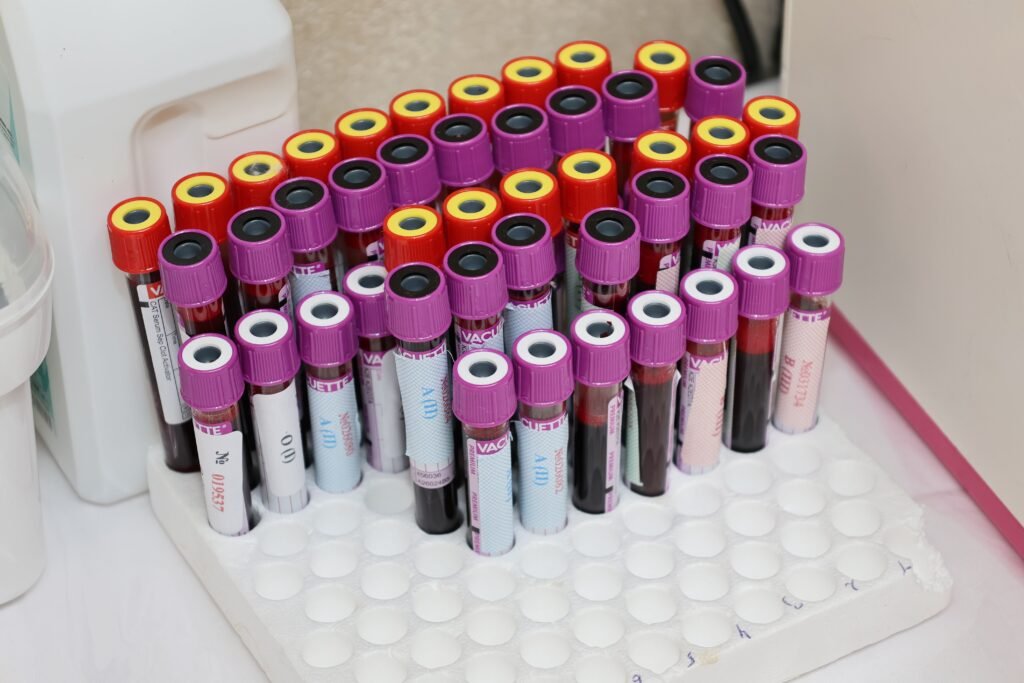
These tests must be specifically requested by the doctor. They are not included in routine blood work but are enormously valuable for diagnosing and monitoring specific conditions. These are the deep-dive investigations the blood can provide when asked the right questions.
HbA1c — Glycated Haemoglobin
While fasting glucose is a snapshot of your blood sugar right now, HbA1c tells you your average blood sugar level over the past 2–3 months. Glucose attaches to haemoglobin molecules, and the higher your average sugar, the more haemoglobin is “glycated.”
Normal : Below 5.7%
Prediabetes : 5.7–6.4%
Diabetes : 6.5% and above
Why it matters : This is the most important single test for diagnosing and monitoring diabetes. It cannot be manipulated by eating well the day before, it reflects months of blood sugar control.
TSH — Thyroid Stimulating Hormone
TSH is produced by the pituitary gland in the brain and gives the signal to the thyroid gland on how much hormone to produce. It is the best first-line screening test for thyroid disorders.
For healthy kids, adults and non pregnant women the TSH value varies from age to age :
- Infants up to 5 days old : 0.7 – 15.2 micro-international units per milliliter (uIU/mL)
- Infants from 6 to 90 days old : 0.72 – 11.0 uIU/mL
- Babies from 4 to 12 months old : 0.73 – 8.35 uIU/mL
- Children ages 1 to 6 years old : 0.7 – 5.97 uIU/mL
- Children ages 7 to 11 years old : 0.6 – 4.84 uIU/mL
- People ages 12 to 20 years old : 0.51 – 4.3 uIU/mL
- Adults ages 21 to 99 years old : 0.27 – 4.2 uIU/mL
For pregnant women the value of TSH varies in each trimester :
- First trimester : 0.18 – 2.99 (uIU/mL)
- Second trimester : 0.11 – 3.98 uIU/mL
- Third trimester : 0.48 – 4.71 uIU/mL
When the value of the TSH is LOW, this may indicate :
- Graves’ disease (autoimmune disease that causes an overactive thyroid gland)
- Thyroiditis (swelling of the thyroid causing stored hormone leakage)
- Toxic nodules in the thyroid gland (they produce hormones on their own)
- Over-medication (Taking a dose of levothyroxine or other thyroid replacement pills that is too high)
- Iodine excess (too much iodine from contrast dyes or certain heart drugs like amiodarone)
- Biotin supplements (high doses of biotin can interfere with lab tests and cause an artificially low TSH value reading)
- Pituitary gland dysfunction (damage or non-cancerous growths in the pituitary gland that stop it from making normal TSH, this is rare)
- First trimester of pregnancy (normal pregnancy hormones can briefly lower TSH levels)
When the value of the TSH is HIGH, this may indicate :
- Hashimoto’s disease (autoimmune disease that causes an underactive thyroid gland)
- Iodine Imbalance (having too little or too much iodine in your diet)
- Thyroid Surgery or Radiation (damage to the neck area from treatments or surgical removal of thyroid tissue)
- Pituitary Adenoma (rare tumor on the pituitary gland that overproduces TSH)
- Hypothyroidism (general underactivity of the thyroid gland)
- Wrong use of medication (taking too little thyroid hormone medication like levothyroxine)
- Poor Absorption (taking medication with interfering foods, calcium/iron supplements, or having stomach/gut issues)
- Interfering Drugs (certain medicines like lithium or amiodarone)
Free T4 and Free T3 — Thyroid Hormones
The hormones T4 (thyroxine) and T3 (triiodothyronine) are the actual thyroid hormones that control your metabolic rate, energy levels, temperature regulation, heart rate, and many more. They are called “free” because this is the small part of the total quantity of these hormones that is not bound to transport proteins. These hormones can execute their biological role only when they are “free”, not bound to transport proteins.
Normal Free T4 : 0.8–1.8 ng/dL
Normal Free T3 : 2.3–4.2 pg/mL
If the value of free T4 and free T3 is LOW, this may indicate :
- Hashimoto’s disease (an autoimmune disorder that causes an underactive thyroid)
- Iodine deficiency (a lack of dietary iodine prevents the gland from producing adequate hormones)
- Thyroid ablation or surgery (radioactive destruction or surgical removal of thyroid tissue)
- Hypothalamic dysfunction (failure of the hypothalamus to release enough thyrotropin-releasing hormone, the hormone that stimulates the release of TSH)
- Pituitary disorders (tumors, trauma, or inflammation in the pituitary gland that reduce TSH output)
- Euthyroid sick syndrome (an adaptive state where the body alters how it produces and utilizes thyroid hormones during severe systemic illness, trauma, or starvation)
- Medications (such as lithium, amiodarone, or excessive thyroid suppression drugs that interfere with normal production)
If the value of free T4 and free T3 is HIGH, this may indicate :
- Graves’ disease (an autoimmune disease that causes an overactive thyroid)
- Toxic thyroid nodules (noncancerous lumps or growths in the thyroid that produce extra hormones on their own)
- Thyroiditis (swelling and inflammation of the thyroid causing stored hormone leakage)
- Rare pituitary issues (tumor in the pituitary gland that makes too much thyroid-stimulating hormone, which forces the thyroid to overproduce)
- Taking too much medicine (taking high doses of synthetic thyroid hormone pills by accident or without proper medical advice)
Vitamin D — 25-Hydroxyvitamin D
Vitamin D is measured as 25-OH Vitamin D, its storage form in the blood. Despite being called a vitamin, it functions as a hormone, influencing hundreds of processes, including bone health, immune function, mood, and cardiovascular health.
Sufficient : 30–100 ng/mL
Insufficient : 20–29 ng/mL
Deficient : Below 20 ng/mL
Why it matters : Vitamin D deficiency is extremely common globally and is associated with weakened bones, impaired immunity, depression, and increased risk of various chronic diseases. It is one of the most frequently abnormal values found in routine check-ups.
When the value of vitamin D is LOW, this may indicate :
- Limited Sun Exposure (vitamin D is produced in response to sunlight exposure, spending too much time indoors, living in regions with long winters, or constantly using high-SPF sunscreen can impede production)
- Skin Tone (melanin in the skin acts as a natural sun absorber, people with darker skin have higher amounts of melanin, which reduces the skin’s ability to produce vitamin D from sunlight)
- Digestive Disorders (for example, Crohn’s disease and celiac disease can damage the intestines, making it harder for the body to absorb vitamin D from food)
- Kidney or Liver Issues (these organs are responsible for converting absorbed vitamin D into the active form the body uses)
- Obesity (vitamin D is fat-soluble, so excess body fat can bind to it and isolate it, preventing it from entering the bloodstream and executing its biological role)
- Medications (long-term use of certain drugs such as anticonvulsants, glucocorticoids, and some cholesterol-lowering drugs, can interfere with the body’s ability to absorb or process vitamin D)
When the value of vitamin D is HIGH, this may indicate :
- High-Dose Supplements (taking excessive doses usually over 10,000 to 60,000 IU daily for months without medical guidance)
- Medical Conditions (granulomatous diseases such as tuberculosis, sarcoidosis, or certain lymphomas that alter the way that the body processes vitamin D)
- Genetic Variations (rare genetic disorders that slow down the body’s ability to break down vitamin D)
Vitamin B12 and Folate
Vitamin B12 and folate are essential for producing healthy red blood cells and maintaining the myelin sheath that insulates nerve fibres.
Normal B12 : 200–900 pg/mL
Normal Folate : 2.7–17.0 ng/mL
When the value of vitamin B12 is LOW, this may indicate :
- Low intake (eating a vegan or vegetarian diet without taking supplements or eating certain foods, since vitamin B12 is found naturally only in animal products)
- Excessive alcohol use (damaging the tissue of the stomach and gut)
- Pernicious anemia (an immune system disorder where the body attacks the stomach cells that produce the intrinsic factor, a protein that is mandatory in B12 absorption)
- Stomach changes (aging or having stomach swelling called gastritis, which lowers stomach acid needed to release B12 from food)
- Gut diseases (Crohn’s disease or celiac disease, which stops the small intestine from absorbing the vitamin B12)
- Surgeries (the removal of parts of the stomach or the small intestine that have a crucial role in the absorption of vitamin B12)
- Acid reducers (long-term use of proton pump inhibitors or H2 blockers, also called histamine 2 receptor antagonists, that lower stomach acid production)
- Metformin (a common diabetes medication that can block proper vitamin B12 absorption)
When the value of folate is LOW, this may indicate :
- Imbalanced diet (consuming isnufficient ammounts of fresh green vegetables, fruits or grains)
- Extreme/restrictive diets (prohibiting the consumption of entire food groups without proper substitutes to replenish the nutrients)
- Gut diseases (Crohn’s disease, celiac disease, or inflammatory bowel issues that block absorption)
- Kidney dialysis (frequent filtration removes water-soluble vitamins, such as folate, from the body)
- Excessive alcohol consumption (heavy drinking blocks proper absorption and processing of folate)
- Medication (such as phenytoin, methotrexate or specific antibiotics can lower folate levels)
- Higher need (pregnancy, lactation, or rapid growth phases use folate with a faster rate)
- Genetics (rare gene disordersthat stop the body from processing folate properly)
When the value of vitamin B12 is HIGH, this may indicate :
- Excessive consumption through diet, supplements or medication
- Liver damage (disorders such as hepatitis, cirrhosis, or fatty liver release stored B12 directly into the bloodstream)
- Kidney dysfunction (poor kidney function slows down the body’s ability to filter and clear B12 binding proteins)
- Myeloproliferative neoplasms (rare medical conditions such as polycythemia vera or primary myelofibrosis)
- Leukemia (chronic myeloid leukemia causes a massive spike in carrier proteins that are responsible for the transportation of vitamin B12)
When the value of folate is HIGH, this may indicate :
- Excessive consumption through diet, supplements or medication
- Vitamin B12 deficiency (a lack of B12 traps folate in an unusable form in the bloodstream, raising folate levels in the serum)
- Reduced kidney function (impaired kidneys cannot clear the vitamin efficiently, causing the folate levels to build up)
- Small intestinal bacterial overgrowth (SIBO) (certain gut bacteria synthesize extra folate that the body then absorbs)
Iron Studies — Iron, Ferritin, and TIBC
These three tests together paint a complete picture of the body’s iron status.
Serum Iron (Normal : 60–170 µg/dL): The amount of iron currently circulating in the bloodstream
Ferritin (Normal : 12–300 ng/mL for men | 12–150 ng/mL for women) : The iron storage protein, this is the best measure of the body’s total iron reserves. Low ferritin is the earliest sign of iron deficiency, often before anemia appears. Attention : ferritin is also an acute-phase reactant and can be falsely elevated during inflammation.
TIBC — Total Iron Binding Capacity (Normal : 250–370 µg/dL): Measures the blood’s capacity to carry iron. In iron deficiency, TIBC rises (the body creates more “empty seats” trying to capture more iron).
Classic iron deficiency pattern : Low iron + low ferritin + high TIBC
When the value of serum iron is LOW, this may indicate :
- Heavy blood loss during the menstrual cycle (for women)
- Internal bleeding (disorders such as stomach ulcers, colon polyps or regular use of pain relievers, for example aspirin or ibuprofen, can cause slow blood loss)
- Insufficient iron intake (eating a diet lacking in iron-rich foods like meat, eggs, or leafy greens can deplete stores over time)
- Pregnancy or growth (the body needs more iron during pregnancy, breastfeeding, or childhood growth spurts)
- Gut disorders (for example, celiac disease or inflammatory bowel disease, such as Crohn’s disease, stop the gut from absorbing iron properly)
- Surgeries (gastric bypass or other stomach operations can reduce the ammount of iron that the body absorbs)
When the value of serum iron is HIGH, this may indicate :
- Hereditary hemochromatosis (HFE gene mutations is the most common inherited cause, specifically the C282Y or H63D mutations passed down from parents to their children)
- Juvenile hemochromatosis (rare genetic mutations in the HJV or HAMP genes that cause severe iron buildup in younger people between Tthe ages of 15 and 30 years old)
- Frequent blood transfusions (used as a treatment for chronic anemia types like sickle cell disease or thalassemia, leading to a buildup of red blood cell iron)
- Chronic liver disease (conditions such as hepatitis C or alcoholic liver disease interfere with proper iron processing)
- Excess supplementation (consuming high doses of iron supplements or vitamin C over long periods of time)
- Ineffective erythropoiesis (certain blood disorders where the body abnormally absorbs extra dietary iron even without transfusions)
CRP — C-Reactive Protein
C-Reactive Protein is produced by the liver in response to inflammation anywhere in the body. It is a non-specific, but sensitive marker of acute inflammation or infection.
Normal : Below 1.0 mg/dL (standard CRP)
Normal : Below 1.0 mg/L (high-sensitivity CRP, hs-CRP, for cardiovascular risk)
Why it matters : A markedly elevated CRP confirms that significant inflammation or infection is occurring. The high-sensitivity version (hs-CRP) at lower levels predicts cardiovascular risk even in people who seem healthy.
ESR — Erythrocyte Sedimentation Rate
Erythrocyte sedimentation rate measures how quickly red blood cells settle to the bottom of a test tube in one hour. Inflammation changes the proteins in blood, causing red blood cells to clump and fall faster.
Normal : 0–20 mm/hr (men under 50) | 0–30 mm/hr (women under 50)
Why it matters : ESR is a non-specific marker of inflammation used to monitor chronic inflammatory conditions like rheumatoid arthritis, lupus, temporal arteritis and tuberculosis.
When the erythrocyte sedimentation rate is LOW, which means that red blood cells sink slower than normal, this may indicate :
- Polycythemia (too many red blood cells thicken the blood, slowing down cell settling rate)
- Sickle cell anemia (abnormal cell shapes prevent normal cell stacking)
- Leukocytosis (extremely high white blood cell counts disrupt the cell settling rate)
- Microcytosis (abnormally small red blood cells can artificially lower the ESR)
- Heart failure (congestive heart failure alters blood flow and the cell settling rate)
- Kidney or liver disease (low plasma proteins or low fibrinogen reduce the blood’s ability to form stacking columns)
- Medication (certain drugs like steroids can lower the ESR)
When the erythrocyte sedimentation rate is HIGH, which means that red blood cells sink faster than normal, this may indicate :
- Autoimmune diseases (for example rheumatoid arthritis, systemic vasculitis, inflammatory bowel disease, systemic lupus erythematosus and polymyalgia rheumatica)
- Infections (bacterial, viral or fungal infections such as tuberculosis or pneumonia)
- Tissue trauma (recent surgery or physical injury)
- Cancers (such as lymphoma and multiple myeloma)
- Non-pathological factors (including older age, pregnancy and menstruation)
Uric Acid
Uric acid is the end product of purine metabolism (purines are found in red meat, organ meats, shellfish, and alcohol). When levels are too high, uric acid crystals are formed and then they can deposit in joints causing gout or in the kidneys causing kidney stones.
Normal Range : 3.4–7.0 mg/dL (men) | 2.4–6.0 mg/dL (women)
When the value of uric acid is LOW, which is called hypouricemia, this may indicate :
- Use of certain medication (Xanthine oxidase inhibitors, High-dose salicylates, Losartan)
- Hereditary renal hypouricemia (rare genetic defect where kidney tubules clear too much uric acid)
- Fanconi syndrome (proximal tubule defect that causes the kidneys to leak vital nutrients)
- Syndrome of Inappropriate Antidiuretic Hormone (SIADH) (excess water retention dilutes blood solutes, including uric acid)
- Severe liver disease (severe damage limits the liver’s ability to produce uric acid)
- Xanthinuria (rare genetic enzyme deficiency that prevents proper purine breakdown)
- Malnutrition (extreme lack of proper nutrients or very restrictive diets can lower levels)
When the value of uric acid is HIGH, which is called hyperuricemia, this may indicate :
- Nutrition and lifestyle (purine rich foods, dehydration, alcohol, sugary drinks, excess body weight)
- Kidney issues (when the kidneys do not filter blood properly, uric acid builds up)
- High blood pressure (hypertension is often linked to poor uric acid clearance)
- Metabolic syndrome (problems with the way that the body handles insulin and sugar)
- Cell turnover (conditions such as psoriasis or certain blood disorders and cancers such as leukemia where cells break down quickly)
- Medication (such as diuretics, immunosuppressants and niacin)
PSA — Prostate-Specific Antigen (Men Only)
PSA is a protein produced by the prostate gland. It is used as a screening marker for prostate cancer, though it can also rise with benign conditions.
Ages 40–49 : 0 to 2.5 ng/mL
Ages 50–59 : 0 to 3.5 ng/mL
Ages 60–69 : 0 to 4.5 ng/mL
Ages 70 and older : 0 to 6.5 ng/mL
Why it matters : PSA screening in men over 50 (or 40–45 in high-risk groups) can detect prostate cancer early. However, elevated PSA does not automatically mean cancer, because conditions like benign prostatic hyperplasia (BPH) and prostatitis also raise PSA. It requires careful interpretation alongside a digital rectal examination and, if needed, biopsy. Also, PSA is measured after the treatment of prostate cancer to monitor the health status of the patient and to make sure that the cancer is fully treated and not coming back.
Beta-hCG — Human Chorionic Gonadotropin (Women)
Human Chorionic Gonadotropin is the hormone that is produced by a developing placenta and forms the basis of all pregnancy tests.
Normal (non-pregnant) : Below 5 mIU/mL for non-pregnant individuals, while pregnant ranges vary widely by gestational week
In early pregnancy, hCG levels double approximately every 48–72 hours. It is also used to monitor certain types of cancer (choriocarcinoma, testicular cancer in men).
Cortisol
Cortisol is the primary stress hormone, produced by the adrenal glands. It regulates metabolism, immune function, blood pressure, and the stress response. It is usually measured in the morning when levels are naturally at their highest point throughout the day.
Normal (morning, 8 AM) : 6–23 µg/dL
When the value of cortisol is LOW, this may indicate :
- Primary adrenal insufficiency (Addison’s disease)
- Pituitary problems (tumors, infections or surgery on the pituitary gland stop it from producing enough ACTH hormone, so the adrenal glands cannot be stimulated)
- Stopping steroid medication (stopping long-term use of prescribed corticosteroid drugs too quickly can suppress normal hormone production)
- Brain injury (trauma to the brain can affect the signals that are needed to trigger cortisol release)
When the value of cortisol is HIGH, this may indicate :
- Chronic stress (long-term emotional or physical pressure keeps the body’s fight-or-flight response active, so cortisol levels stay ellevated)
- Sleep problems (lack of sleep or poor sleep quality disrupts the body’s natural 24 hour rest cycles, causing problems in cortisol production)
- Overtraining (strenuous physical exercise without proper recovery time raises cortisol levels)
- Substances (excessive use of alcohol or caffeine can push cortisol levels up)
- Corticosteroids (this is a type of medication, taking high doses or long-term prescription steroid medications such as prednisone, prednisolone, or dexamethasone for conditions like asthma or lupus is a very common cause)
- Pituitary tumors (growths on the pituitary gland can overproduce ACTH, which tells the adrenal glands to make too much cortisol, this is called Cushing’s disease)
- Adrenal tumors (tumors directly on the adrenal glands can autonomously release excess cortisol)
- Ectopic tumors (rare tumors outside the pituitary or adrenal glands that produce ACTH)
- Illness or injury (severe physical trauma, major infections, or critical illness trigger sharp cortisol spikes)
How to read your own blood test – A practical guide

Now that you understand what each value means, here are four important principles to keep in mind when reviewing your own results :
1. Single values rarely tell the whole story. One single slightly abnormal result, viewed in isolation from other values, is often meaningless. Your doctor looks at the pattern- multiple values together, changes over time, as well as your symptoms and medical history.
2. Reference ranges vary between laboratories. The ranges listed in this article are the most widely accepted international standards, but your lab’s reference range (printed on your results sheet) may differ slightly based on the equipment and methods used. Always compare your values to your specific lab’s range, not generic numbers.
3. Timing and context matter enormously. Your glucose is different after a meal than after fasting. Your cortisol is different at 8 AM than at 8 PM. Your WBC rises with any infection, stress, or even vigorous exercise. Always note the conditions under which your blood was drawn.
4. Trends matter more than single snapshots. A creatinine of 1.1 might be perfectly normal for one person and represent significant kidney decline for another whose previous value was 0.7. Your personal baseline and trajectory over time are what your doctor tracks.
Sources
- Fischbach, F.T., & Fischbach, M.A. (2018). A Manual of Laboratory and Diagnostic Tests (10th ed.). Wolters Kluwer.
- Pagana, K.D., & Pagana, T.J. (2021). Mosby’s Manual of Diagnostic and Laboratory Tests (7th ed.). Elsevier.
- American Diabetes Association. (2023). Standards of Medical Care in Diabetes. Diabetes Care, 46(Supplement 1). https://diabetesjournals.org/care/issue/46/Supplement_1
- World Health Organization. (2011). Haemoglobin concentrations for the diagnosis of anaemia and assessment of severity. WHO Press. https://www.who.int/publications/i/item/WHO-NMH-NHD-MNM-11.1
- National Kidney Foundation. (2023). Glomerular Filtration Rate (GFR). https://www.kidney.org/kidney-topics/gfr-glomerular-filtration-rate
- Grundy, S.M., et al. (2019). 2018 AHA/ACC Guideline on the Management of Blood Cholesterol. Journal of the American College of Cardiology, 73(24), e285–e350. https://doi.org/10.1016/j.jacc.2018.11.003
- Holick, M.F. (2007). Vitamin D Deficiency. New England Journal of Medicine, 357(3), 266–281. https://doi.org/10.1056/NEJMra070553
- Kasper, D.L., et al. (2018). Harrison’s Principles of Internal Medicine (20th ed.). McGraw-Hill Education.
- Tietz, N.W. (2019). Tietz Textbook of Clinical Chemistry and Molecular Diagnostics (6th ed.). Elsevier.
- British Thyroid Foundation. (2023). Understanding Thyroid Function Tests. https://www.btf-thyroid.org
Featured image : Photo by kaboompics / Pexels
© UncutMed — Medical knowledge, precise, truthful, unfiltered. This article was last reviewed on 3 August 2026. Always consult your healthcare professional for personal medical advice.